The New Kitchen Garden Movement: Where Britain’s Best Chefs Are Growing Their Menus
6 May 2026
Across many of Britain’s leading hotel restaurants, some of the most interesting ingredients now start life just outside the door,
rather than arriving by van. Once treated as a charming extra, kitchen gardens are now helping to define the menu itself.
This shift is being driven as much by appetite as practicality. Chefs are seeking out produce with more flavour and more immediacy. Guests, in turn, increasingly want to understand where their food comes from and how closely it is tied to the land around them.
A century ago, this would have been standard practice. Country houses relied on what they could grow on their land. Walled gardens were carefully designed to trap warmth, protect crops and keep kitchens supplied across the seasons. Gardeners and cooks worked in tandem, building meals around what the land yielded.
Modern sourcing weakened that relationship for a time, but now it is being restored with a new sense of purpose. Across the UK’s kitchen gardens, hotels are embracing a style of cooking that feels more thoughtful, more rooted and better suited to the way we want to eat today.
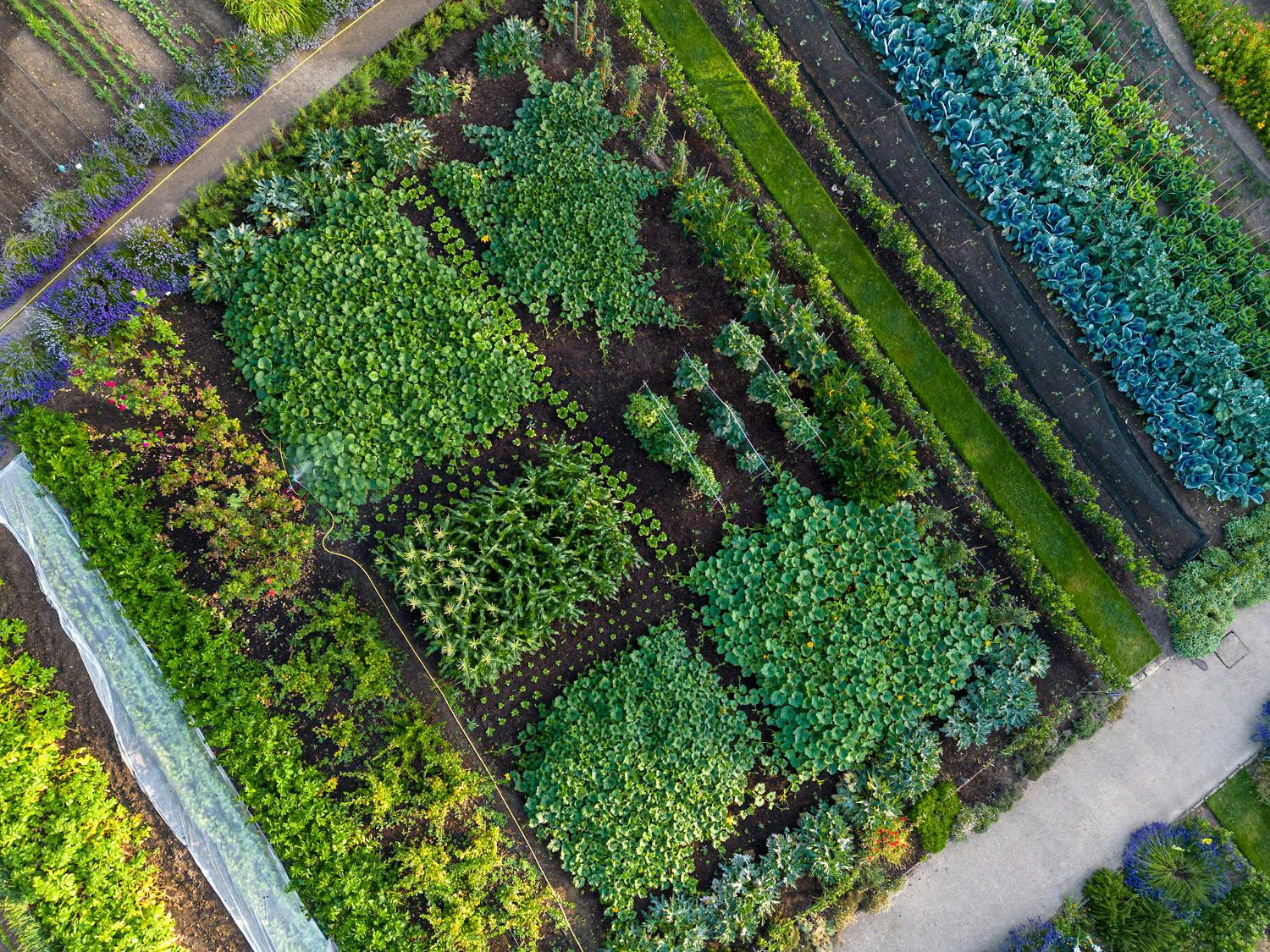
You can see that relationship especially clearly at Gravetye Manor. Its walled garden has not been brought back simply for effect. It has always been part of how the house works. Originally created by William Robinson, one of the most influential gardeners of his time, the garden still supplies the kitchen with fruit, vegetables and herbs across the seasons. Under head gardener Tom Coward, the plot remains a working space with real focus. Orchards, glasshouses and vegetable beds all play their part. Their produce is harvested at its peak, helping guide the menus at the Michelin-starred Gravetye Manor Restaurant, one of the UK’s most refined farm to table restaurants.
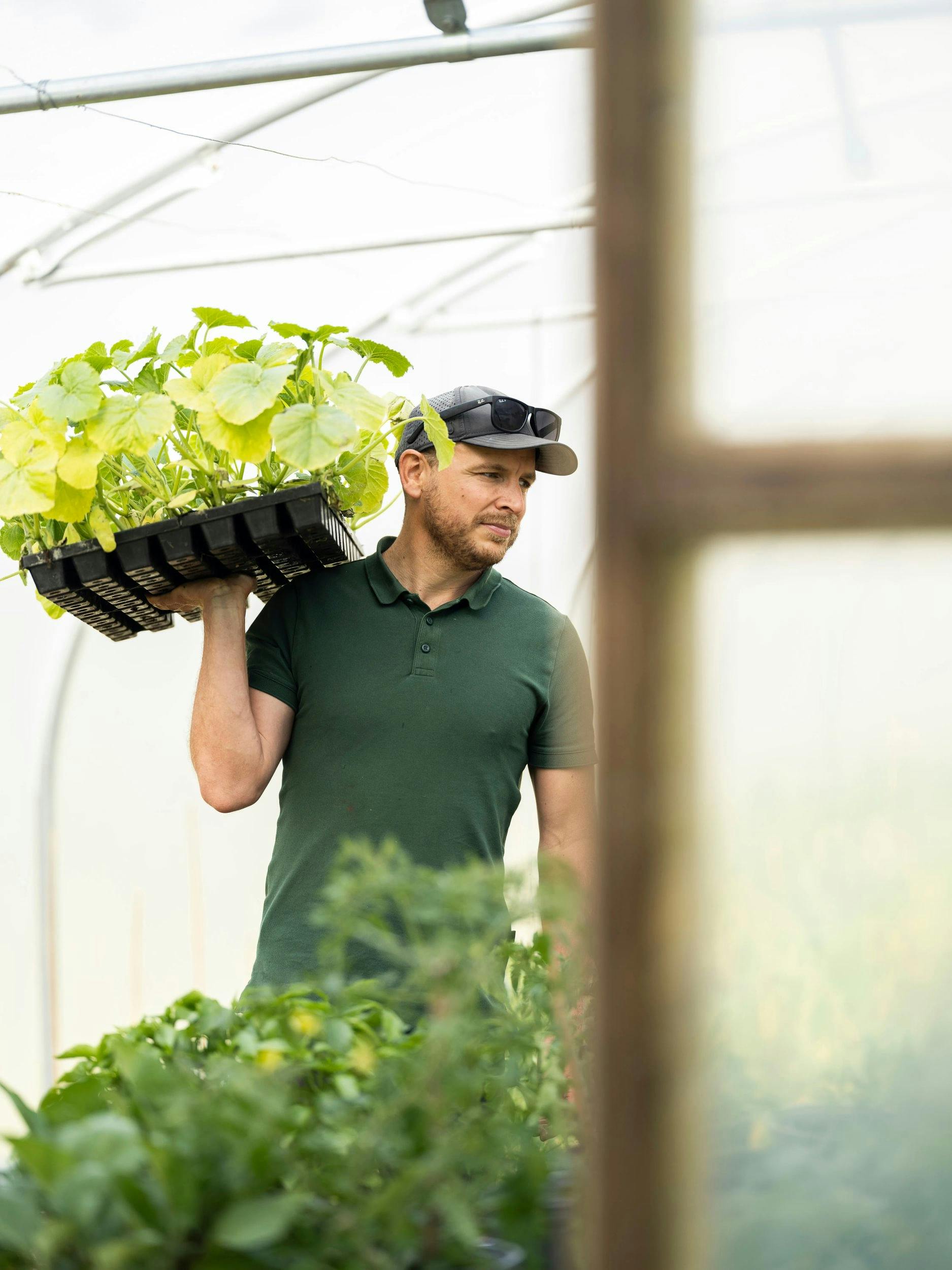
Tucked into the Somerset countryside, the garden at Homewood Hotel & Spa is built around a strict no-dig philosophy, where the soil is left undisturbed and enriched naturally over time. Working between plot and plate is chef-gardener Darren Stephens, who helps to shape both what is grown and how it is used. Crops are planned with the kitchen, grown from seed and staggered so there is always something ready to harvest. The result is produce that feels entirely tied to the place, from delicate salad leaves to edible flowers picked at their peak. Wander through and you might find Darren there, usually carrying something that will end up on the plate that evening.
That same care runs through Whatley Manor Hotel & Spa in Wiltshire. The kitchen garden is managed with long-term soil health in mind, using a similar no-dig style that ensures everything grow beautifully, and taste all the better for it. Chefs and gardeners plan together, deciding what will grow well and how it will be used. That shared approach gives the menu a clear sense of intent, reflected in the cooking at the Michelin-starred The Dining Room.
On Scotland’s south-west coast, Glenapp Castle makes that connection feel immersive. Here The Azalea, one of the most stunning examples of farm to table restaurants in the UK, sits within the walled garden itself, housed inside a restored Victorian glasshouse. These sheltered conditions help extend the season, allowing fruit, vegetables, herbs and spices from the garden to influence the menu for more of the year.
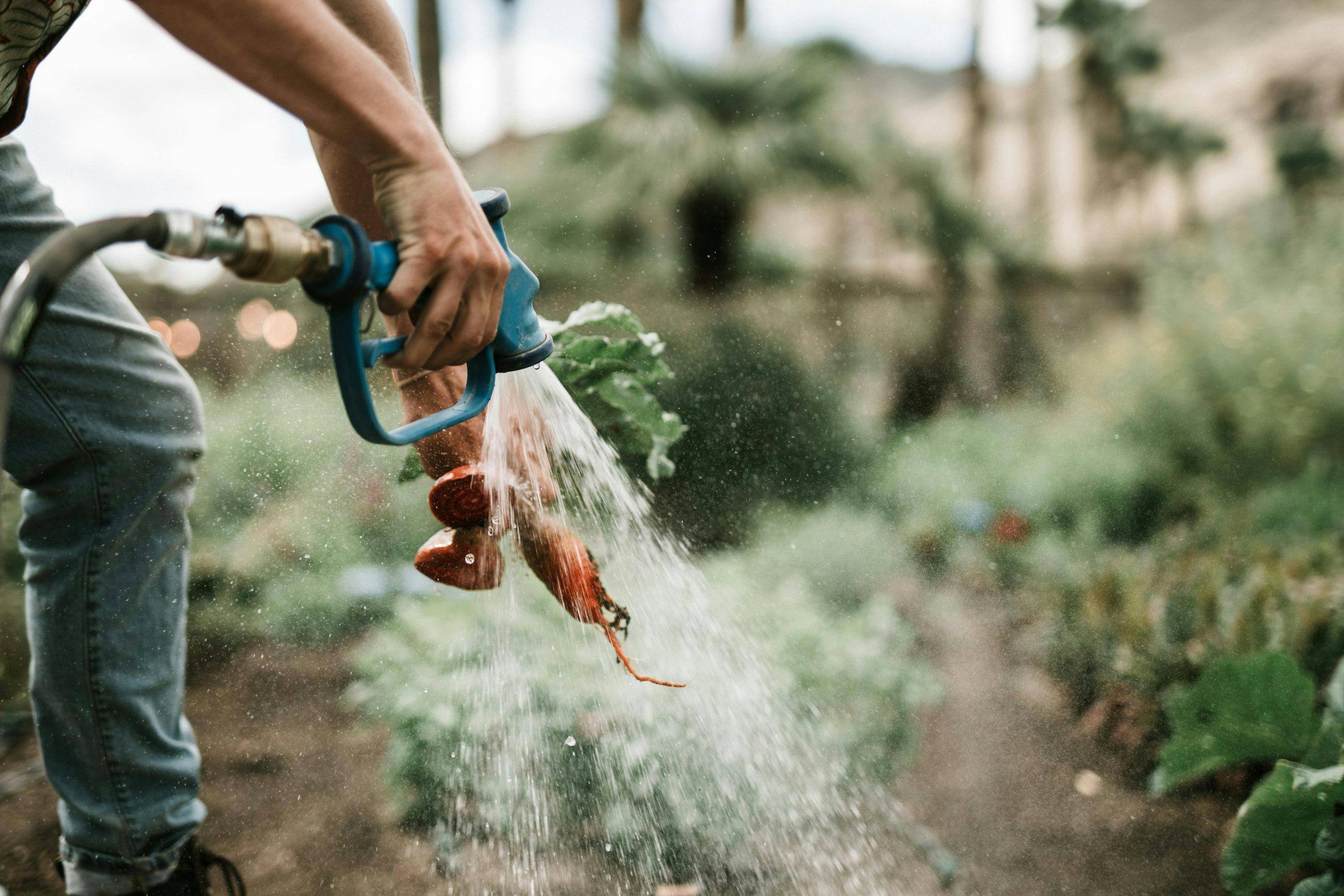
In the New Forest, The Montagu Arms offers something quieter but just as convincing. Behind the greenhouses sits a working kitchen garden filled with radishes, carrots, beetroot, herbs and edible flowers. The mix of outdoor growing and indoor cultivation helps extend the season, giving the kitchen a steady supply of produce throughout the year.
At Bovey Castle, deep within Dartmoor National Park, the methods are more contemporary. Its purpose-built kitchen garden spans around 1,400 square metres and was designed in direct response to what the chefs wanted to grow and cook with. You can explore the garden through guided tours, following the journey of ingredients from soil to kitchen, gaining a clearer understanding of the process behind the menu.
In Pembrokeshire, with the Preseli Hills in view, Grove of Narberth takes a broader, more landscape-led approach. The kitchen gardens provide vegetables, herbs and fruit through the year, often harvested just before service. But the kitchen garden is only part of the picture, with the surrounding grounds and nearby coastline also feeding into a style of cooking closely tied to the region.
Further north, The Torridon stretches the idea across a much larger setting. The scale may be different, but the principle remains much the same: what is available helps dictate what is served. At 1887, the hotel’s Michelin-starred restaurant, that wider Highland larder comes into focus, with produce from the kitchen garden, local farms and nearby waters all guiding the menu. One of the best examples of farm to table restaurants in the UK, 1887 also received a Michelin Green Star in the 2026 guide, reflecting a more considered approach to sustainability across the estate.
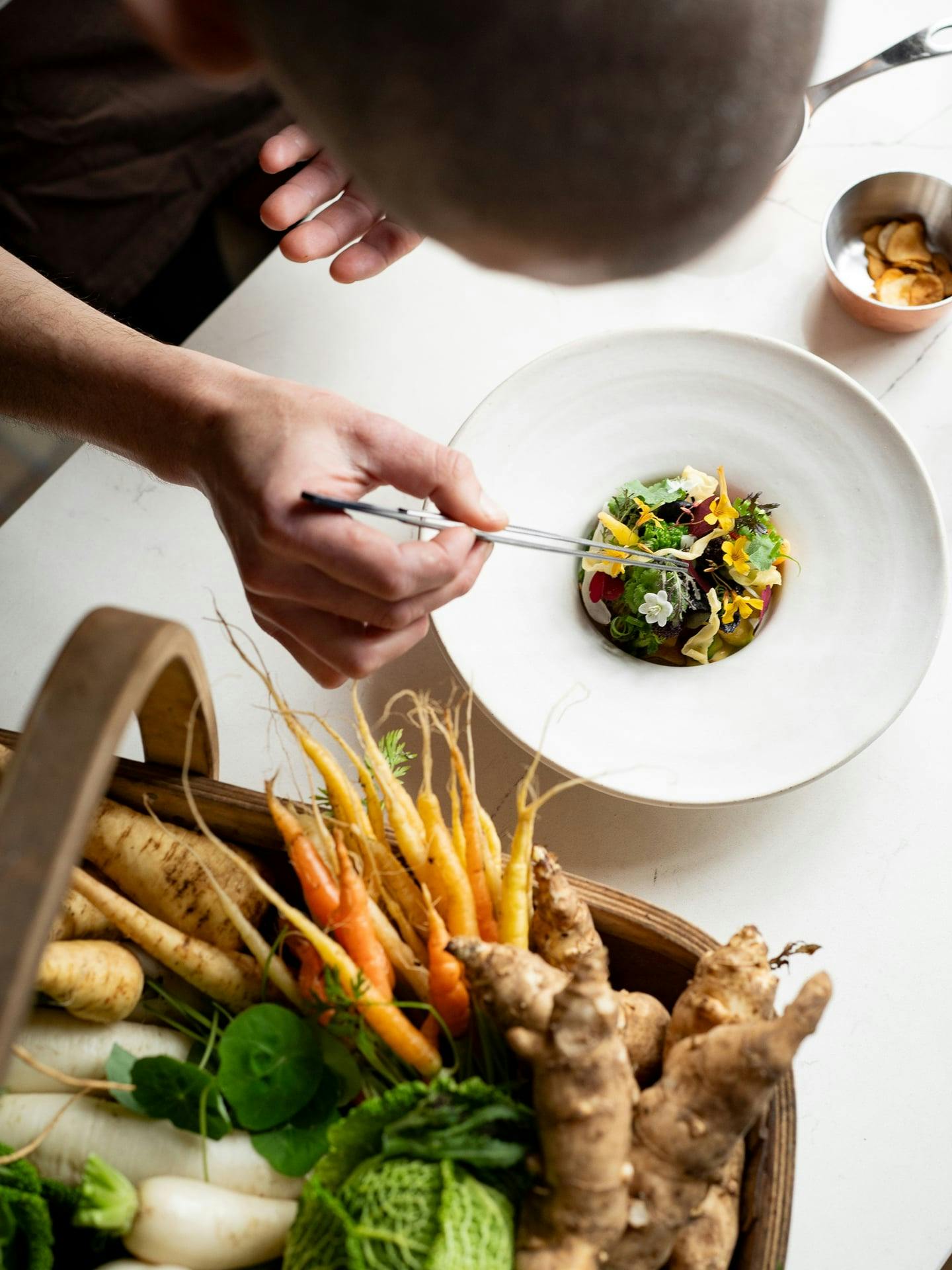
What makes these places so compelling is not simply the quality of the produce, but the visibility of the whole process. You can walk through the garden, see what is ready and understand how directly that shapes what appears on the plate. That connection changes the experience of eating out, making it feel more seasonal, more immediate and more personal. Across the UK’s kitchen gardens, this is not nostalgia dressed up as luxury. It is a clearer, smarter and more satisfying way to cook.
Related Content


More Stories
British Travel
10 Perfect Picnic Spots in the UK for Long Warm Days
27 May 2026
Discover ten of the best picnic spots in the UK for long spring days, with riverside views, coastal corners and countryside settings made for eating al fresco.
British Travel
10 Beautiful British Garden Hotels for a Spring Weekend Escape
1 May 2026
This spring, discover 10 of the most beautiful garden hotels in the UK, from historic estates and kitchen gardens to woodland grounds and lakeside landscapes