Jimmy Doherty’s Farm to Fork Scottish Adventure
7 April 2026
Celebrating conservation, whisky, and farm-to-fork food.
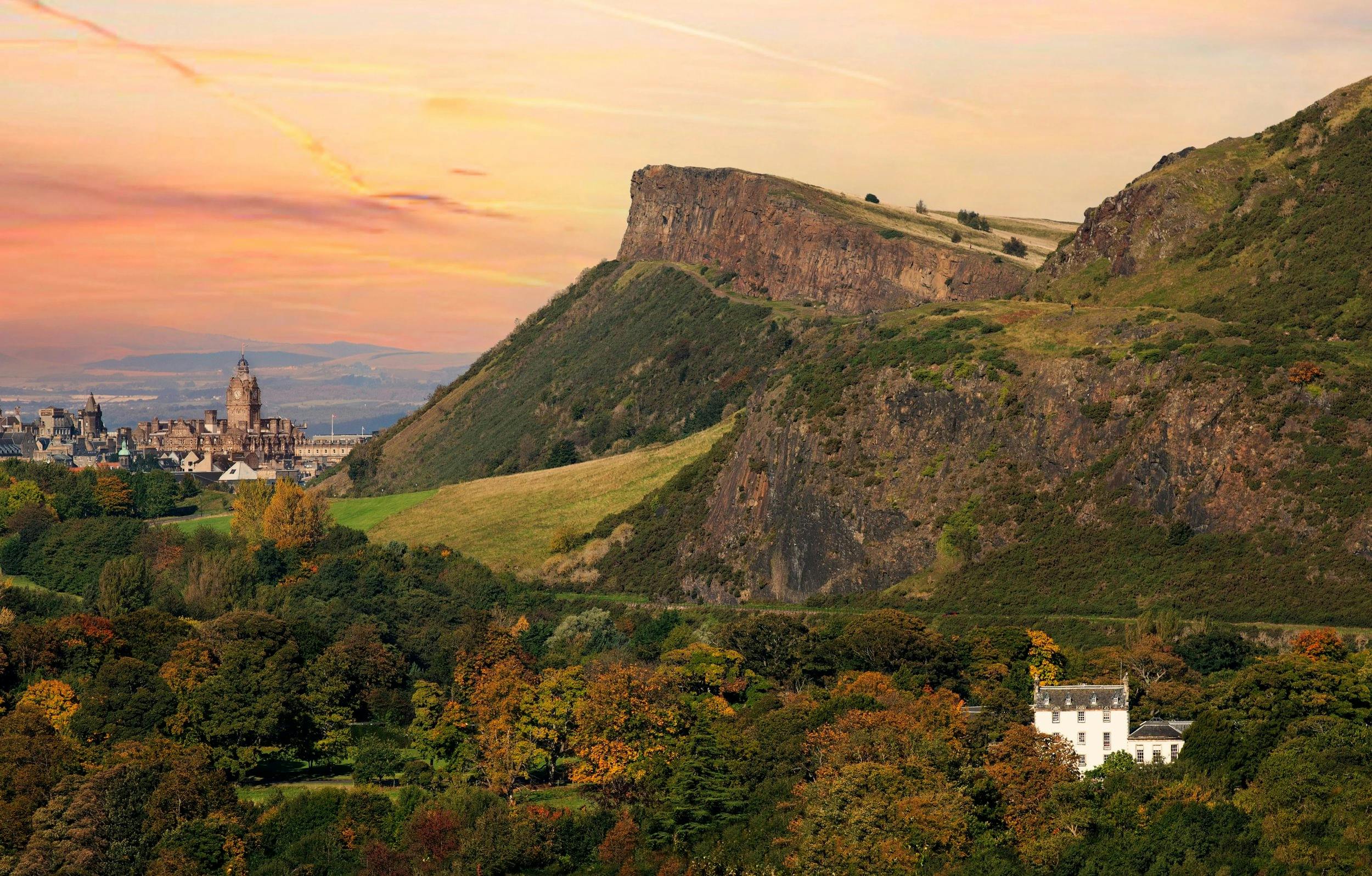
An unexpected treat awaits farmer and TV presenter Jimmy Doherty as he and his wife Michaela arrive at Prestonfield House. They’ve been driving along Edinburgh’s city streets to find what Jimmy calls “a sort of hidden driveway leading to a country estate in the city”.
Grazing in the grounds are Highland cattle with their shaggy coats and curly horns. “I love seeing native breeds – conserving them is really important. I was president of the Rare Breeds Survival Trust for six years and I’ve got my own Highland cows,” he says, referring to their property in Suffolk which featured in the BBC series Jimmy's Farm. “There’s also a peacock at Prestonfield; I’ve got a whole load of them. It makes me feel very at home despite the grandeur inside.”
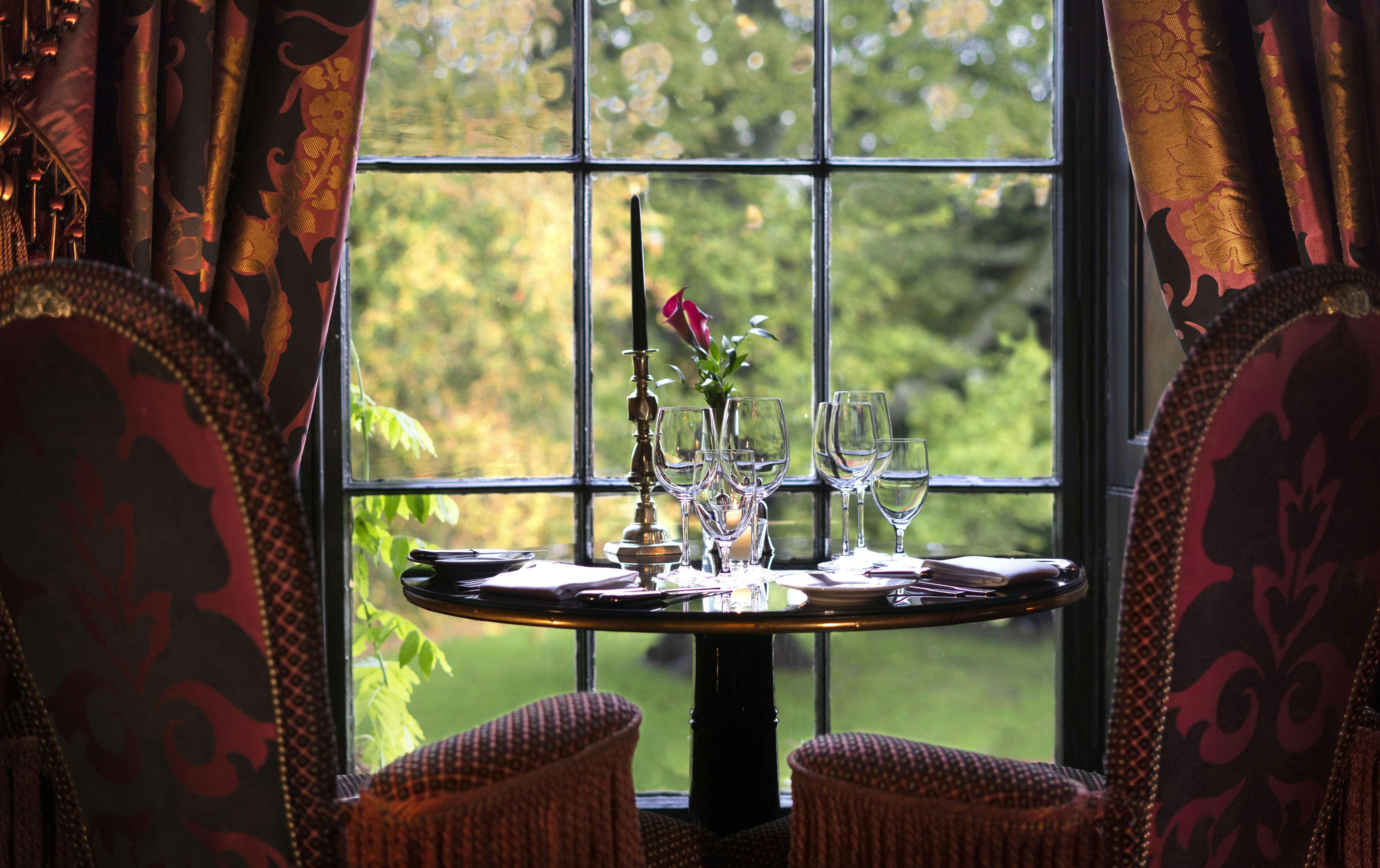
Within the 17th-century house, the mood shifts to full theatrical opulence. “It’s a bit like something from Harry Potter. It feels like you’ve walked through a door in time,” says Jimmy, taking in richly patterned wallpaper, lavish flower arrangements and walls hung with portraits. Two paintings of leghorn cockerels in the bar catch his eye, and he is particularly drawn to the blazing open fires. “I feel instantly relaxed.”
He and Michaela settle down for a couple of drinks before exploring their lavish suite, with views onto the garden’s verdant lawns and parterres, and an array of books, fresh fruits and chocolates. “There’s so much space that you feel like Lord of the manor,” he says.
The weather isn’t particularly clement, but the fires are roaring, and there’s whisky tasting downstairs – he and Michaela are aficionados. “It’s one of those elements of real terroir where you’re tasting the landscape, the water and the barley,” says Jimmy. The room makes the tasting of whiskies bottled especially for Prestonfield even more special, with its chairs made from deer antlers, candlelight and bottles of whisky around the walls. “It’s the kind of place you want to be when you’re tasting whisky,” he adds.
Chased by a cheeky martini, the tasting makes the perfect prelude to dinner in Rhubarb restaurant, named because Sir Alexander Dick, Prestonfield’s 18th-century owner, was the first person to successfully grow the fruit in Scotland. “It’s all beautifully presented, good-quality food,” says Jimmy, settling into a carpaccio of venison followed by hake.
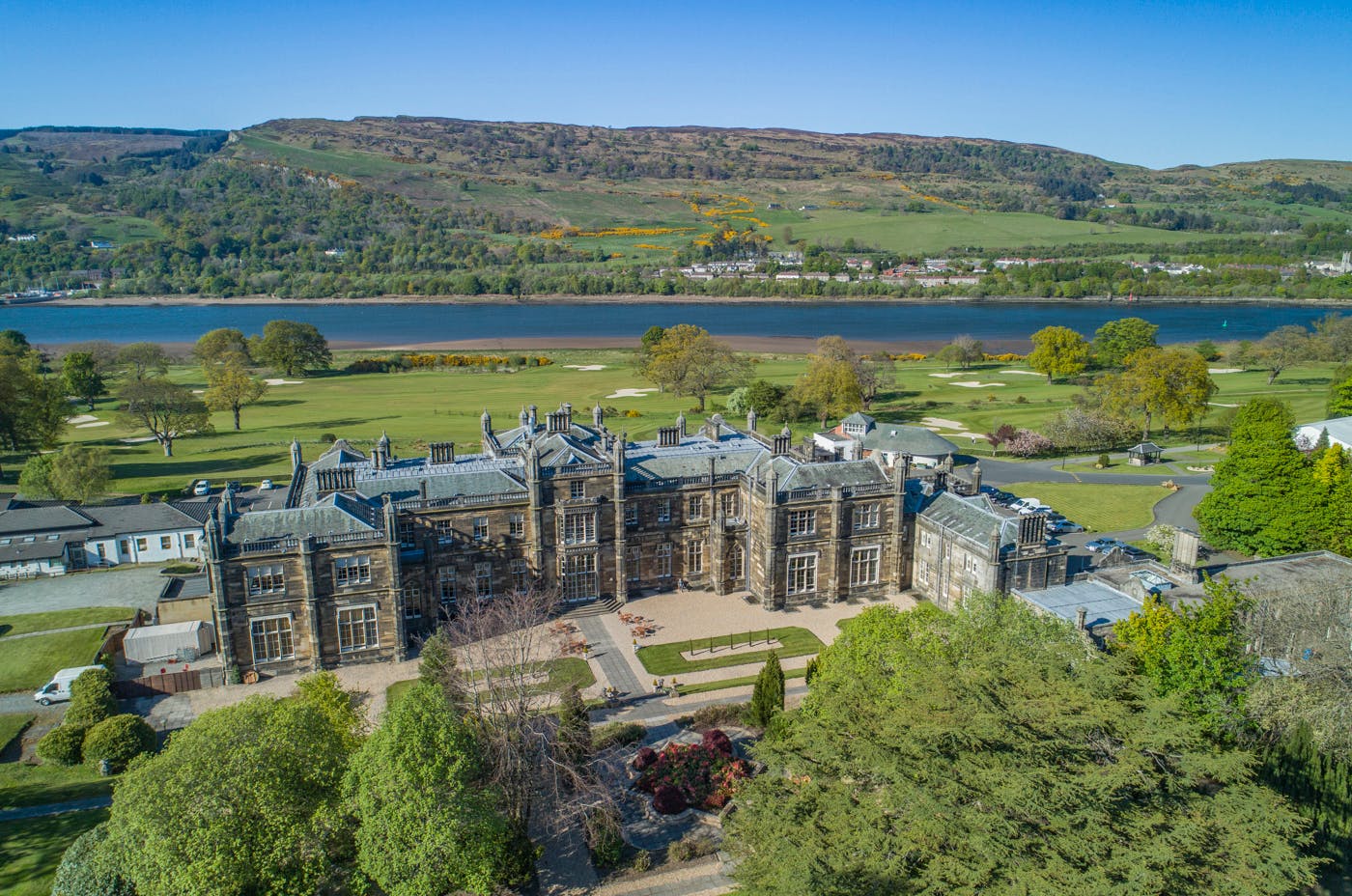
The next morning, after a full Scottish breakfast, the couple drive one and a half hours due west to Mar Hall Golf and Spa Resort, on a 240-acre estate above the River Clyde where a large bronze stag stands before the grand 19th-century mansion.
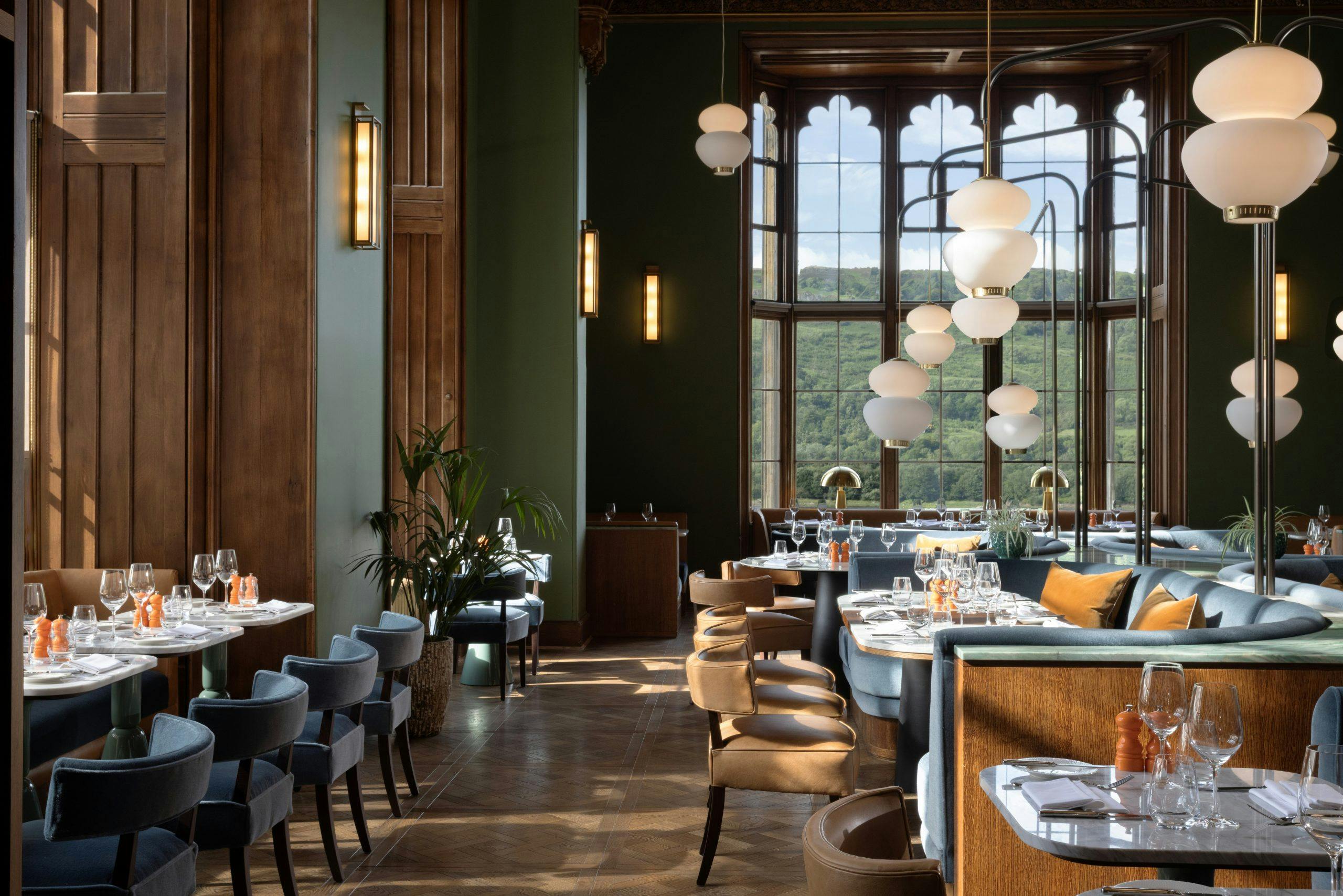
“You look at it and you think it’s going to be another great big stately home. But then you open the door it’s quite contemporary in feel – I like that juxtaposition,” says Jimmy.
Inside, palm trees line the entrance hall which leads to a “fantastic central bar area”. Although the building was designed by Sir Robert Smirke, the architect behind the British Museum, Jimmy says that the corridor to the spa reminds him more of the Natural History Museum thanks to its wallpaper showcasing flowers, insects and lizards.
He is delighted to find that the hotel’s recent £20 million refurbishment includes not only the interiors, but the gardens visible from the bay window of his bedroom, itself “quite flamboyant, in a deep red with pink chairs and a leather headboard”.
Outside, raised beds supply herbs for the kitchen – a walk later reveals a variety of mint that smells like After Eight chocolates – while new planting encourages wildlife. “They have wildflower meadows and they’re adding flowers for the bees and butterflies,” Jimmy reports.
The couple enjoy a falconry show and Jimmy, a patron of the British Beekeepers Association, visits the hotel’s beehives, which supply the honey that appears everywhere from complimentary in-room jars to cocktails served in the bar, with its jewel-toned fabrics.
It makes the perfect setting for another whisky tasting where the highlight is the Highland Mist Cocktail which arrives in a glass box that opens to a cloud of smoke. “It was really interesting to explore whisky with different mixes and flavours, taking away its perceived stuffiness and bringing it more into the contemporary world,” says Jimmy.
Dinner of Berwick crab and local steak unfolds beneath a carved wooden ceiling. “The menu isn’t overcomplicated, and it names producers on the west coast with touches of Italian,” he says. “I like it when a menu tells a story. It can do a lot of travelling for you.”
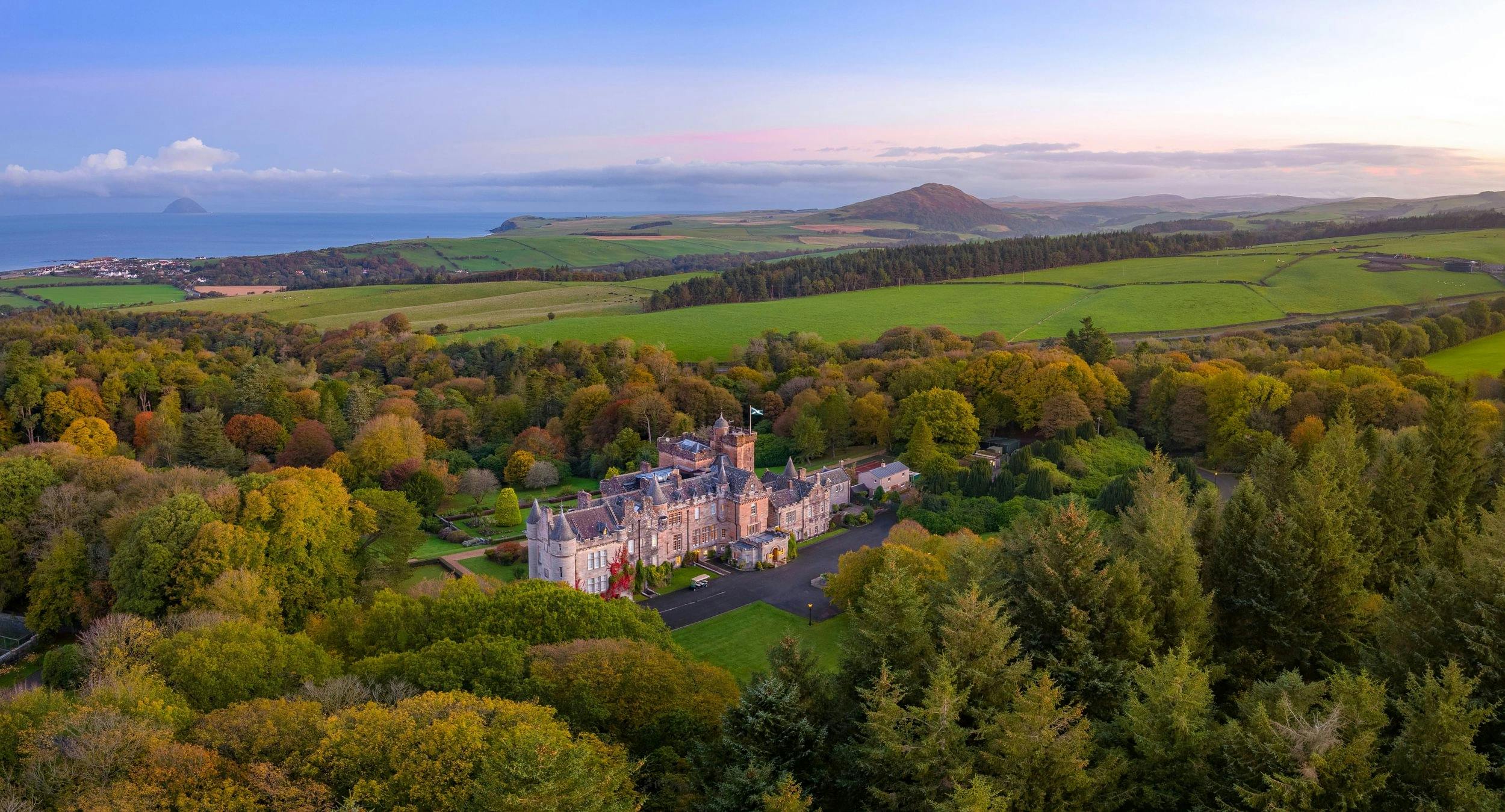
There’s more travelling on the cards the next day – a two-hour drive to the 19th-century Scottish baronial Glenapp Castle, on the Ayrshire coast. Jimmy loves the drama of its turrets and topiary, particularly at night, when the approach along a long, tree-lined road is illuminated.
Although it’s elegant inside, he finds the atmosphere surprisingly homely. “When you go in, you hang your coat up and there are lots of wellies lined up; it feels like you’re in someone’s home,” he says.
The estate’s gardens stretch out beyond the castle, shaped by the warming influence of the Gulf Stream. Rhododendrons spill across the grounds alongside Italian gardens, woodland walks, ponds and a productive walled garden.
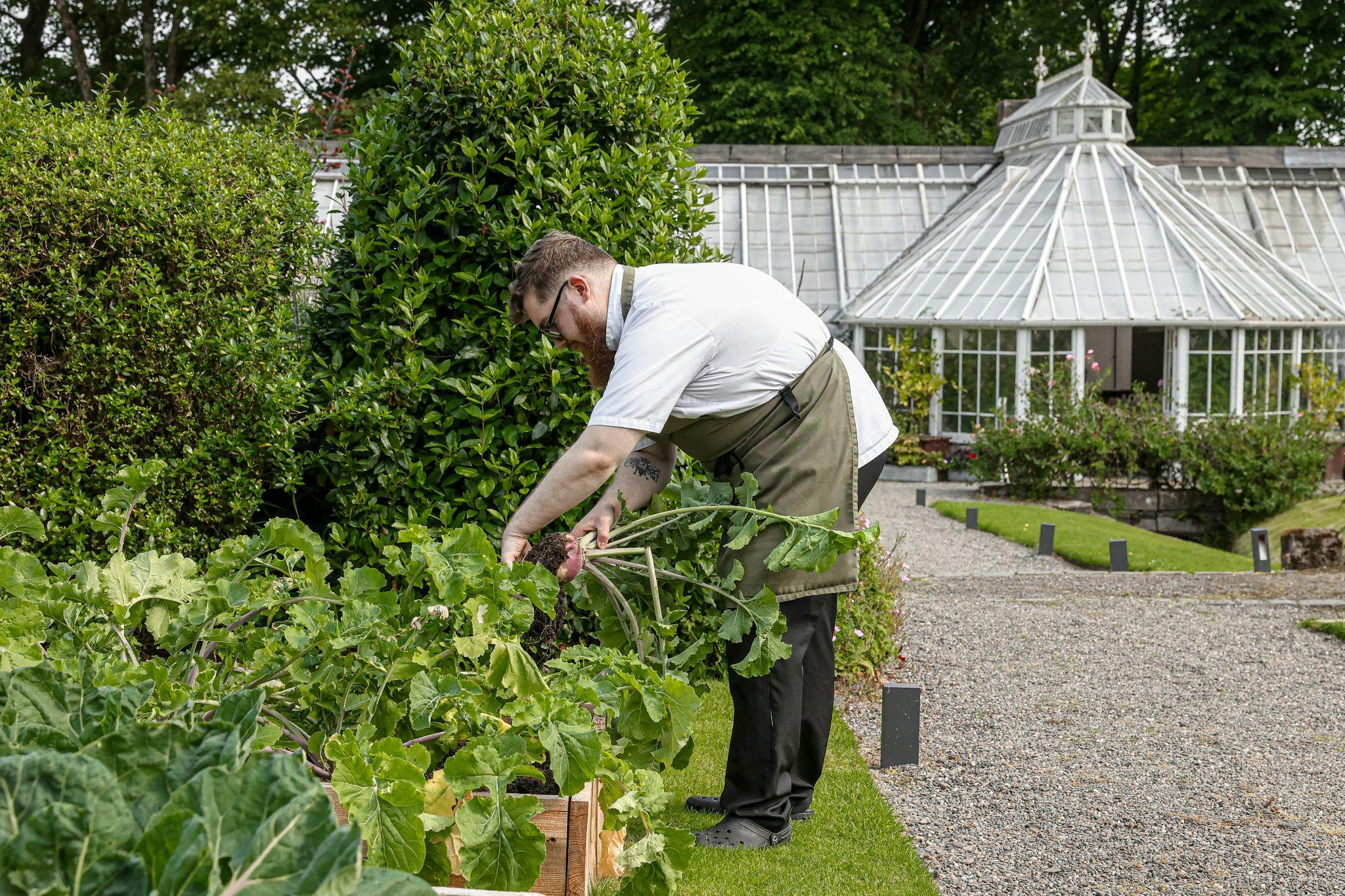
Jimmy is quickly drawn to the working side of the estate. The gardens and polytunnels supply flowers for the house and produce for the kitchen, and guests can join horticultural masterclasses. “I love the farm-to-fork ethos, with amazing heritage beets and carrots – it’s out of the ground and into the kitchen. I think they’re even growing wasabi.” He is particularly impressed that the chef is experimenting with different home-grown flavours, including bamboo, which was found growing locally.
In summer the Victorian glasshouse restaurant, draped with vines, offers the perfect garden-to-table setting, though Jimmy and Michaela dine instead in the main restaurant, where dishes include venison, monkfish with Argyll mussels and lamb with haggis feature. “The John Dory was incredible,” he says. “They work closely with the local fishermen and butchers.”
After finishing some excellent Macallan whisky, they head upstairs to their suite. With its “beautiful white carpet”, blue sofas and sea views towards Ailsa Craig, it feels suitably grand. One detail catches Jimmy’s attention: the lack of a kettle. When he rings for tea, he’s delighted that a silver teapot arrives with loose-leaf tea and extra hot water. “You feel like you’ve got your own personal butler,” he says. “And it reduces waste.”
It reflects the estate’s wider philosophy on sustainability, including the kitchen-garden relationship and nature conservation. “It isn’t just about ticking boxes,” he says. “It’s about the legacy they leave for the future.”
If you’re inspired to take a journey featuring estate-to-plate food, great whisky and estates where conservation is key, follow Jimmy’s break or use our interactive map to design your own.
Related Content

More Stories
British Travel
10 Family Road Trips Across the UK for Scenic, Easy Adventure
20 March 2026
A guide to 10 UK family road trips with beaches, castles, wildlife and easy walks, plus hotels that make every stage of the trip feel effortless.
Now & Then
Vintage Wheels
19 March 2026
The experts at three PoB hotels share the classic car experiences to discover and the best local drives for a memorable spin.
British Travel
The Easter Edit: Where to Spend the Long Weekend
18 March 2026
Discover four very different styles for the Easter long weekend, spanning culture-led London, breezy Devon escapes, spa stays in the South East and Scotland at its most dramatic.