Life on the Land: In Conversation with Fergus MacLeod of the Fife Arms Ghillie Team
17 December 2025
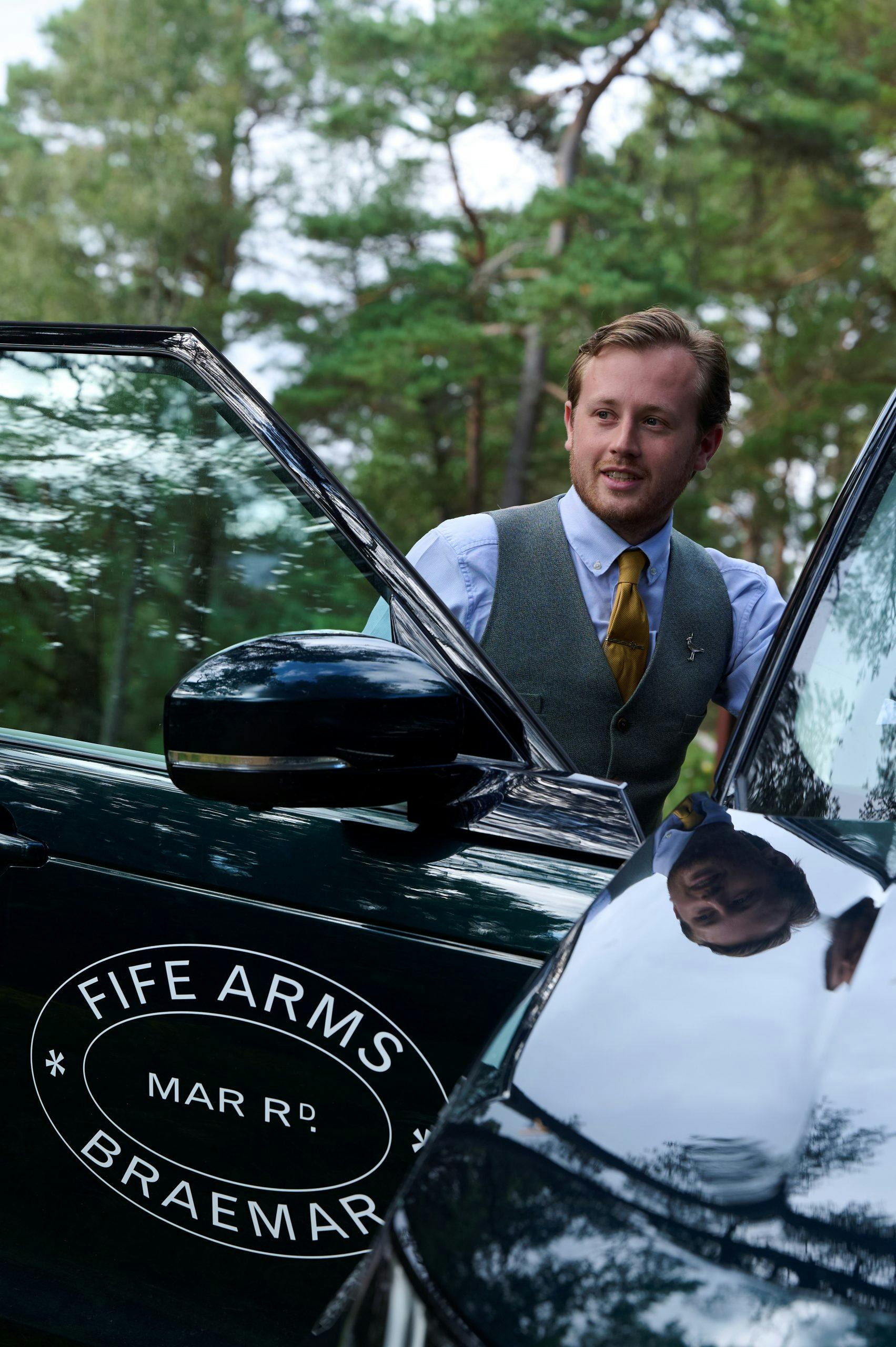
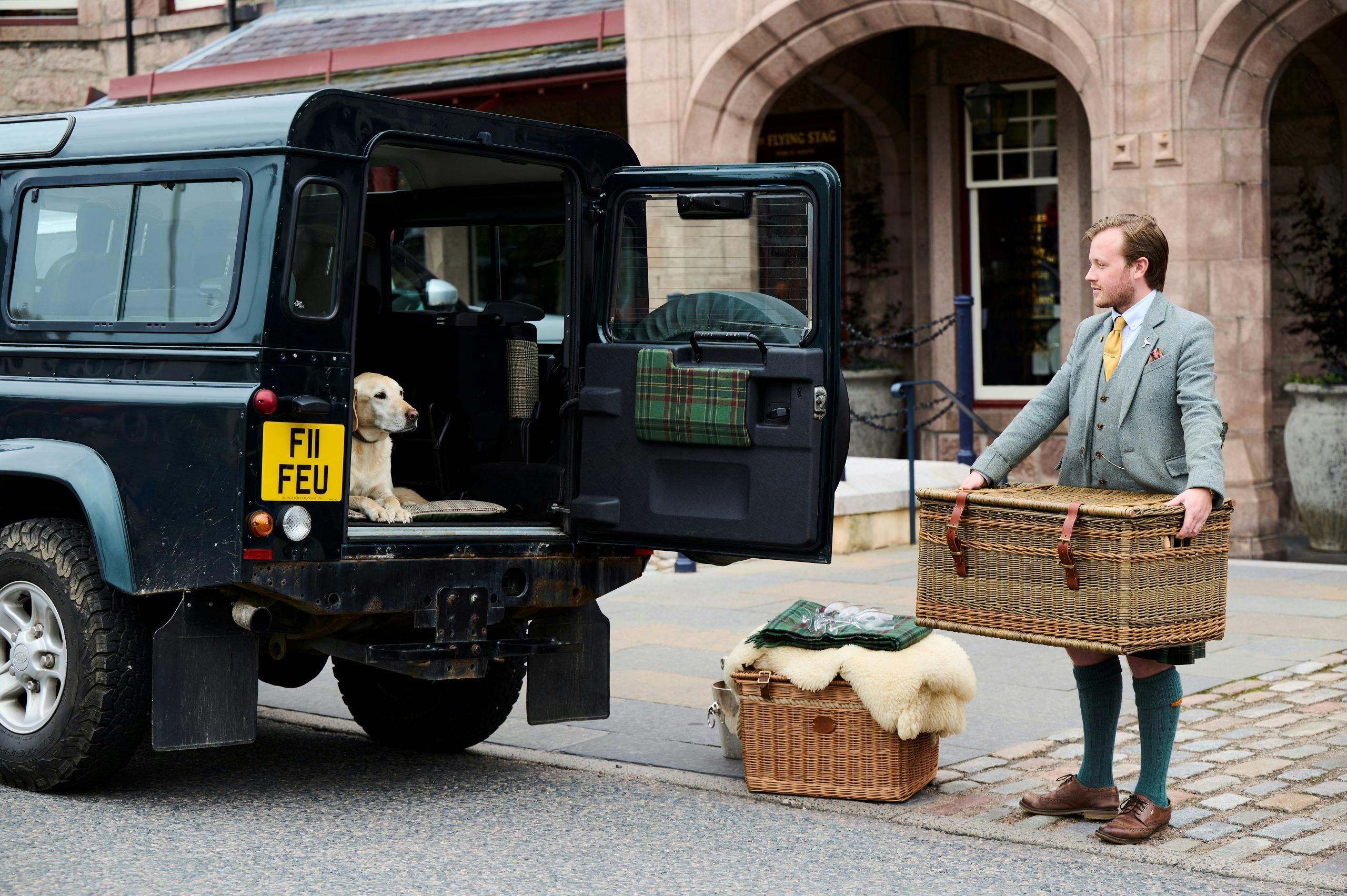
As part of the Ghillie team at The Fife Arms, Fergus MacLeod helps guests discover the wild beauty and stories of Royal Deeside.
Through guided walks, off-road journeys and time spent immersed in the landscape, he creates experiences shaped by weather, place and season. Having joined during the final stages of the hotel’s transformation, Fergus works closely with local guides and businesses to bring the land to life, offering guests a deeper connection to one of Scotland’s most remarkable regions.
Can you tell us what being part of the Ghillie team at The Fife Arms means to you and what a typical day looks like out on the land?
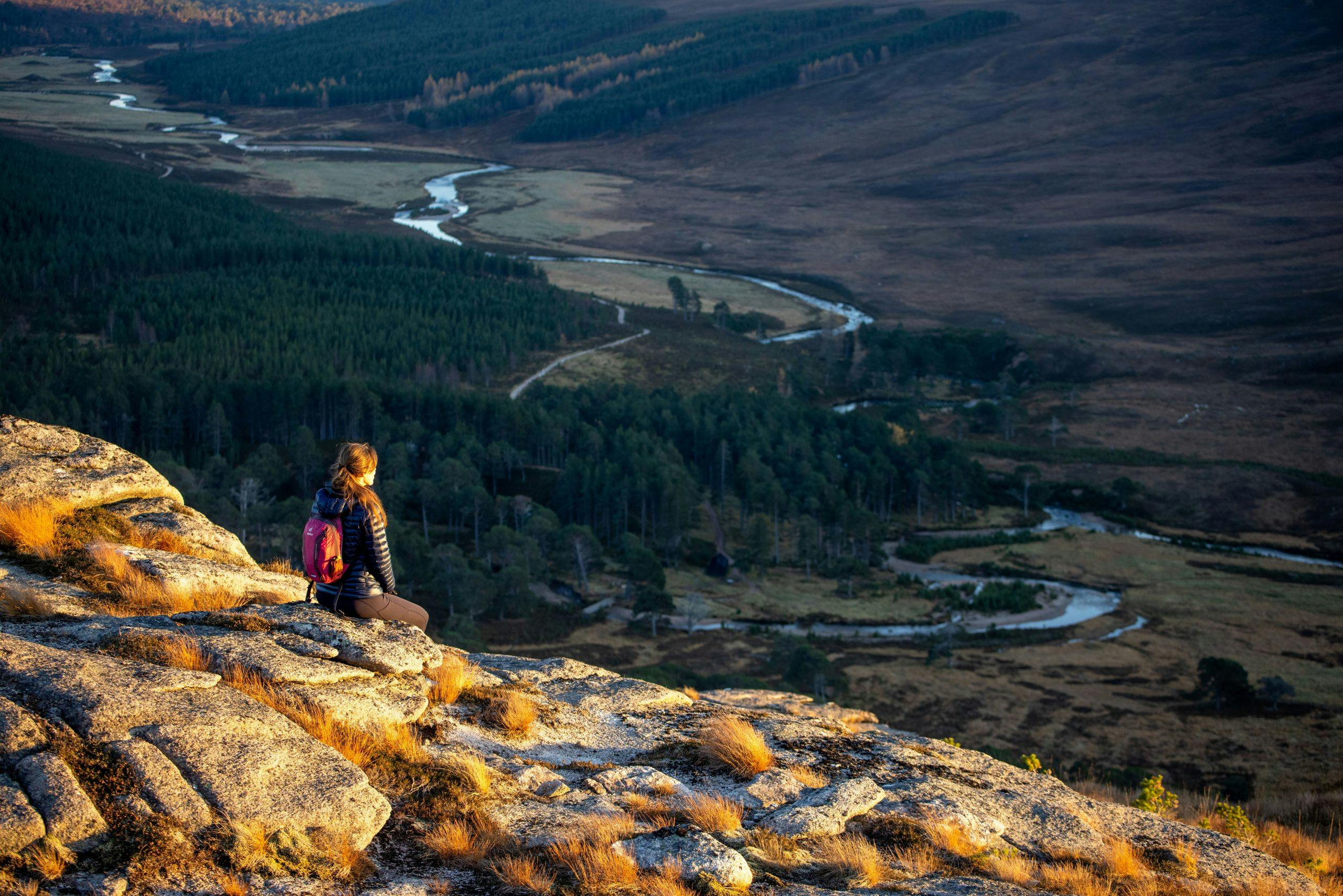
How do the surrounding landscapes of Braemar and the Cairngorms influence the way you work and guide guests outdoors?
What’s the most memorable reaction you’ve seen from a guest experiencing the land for the first time?
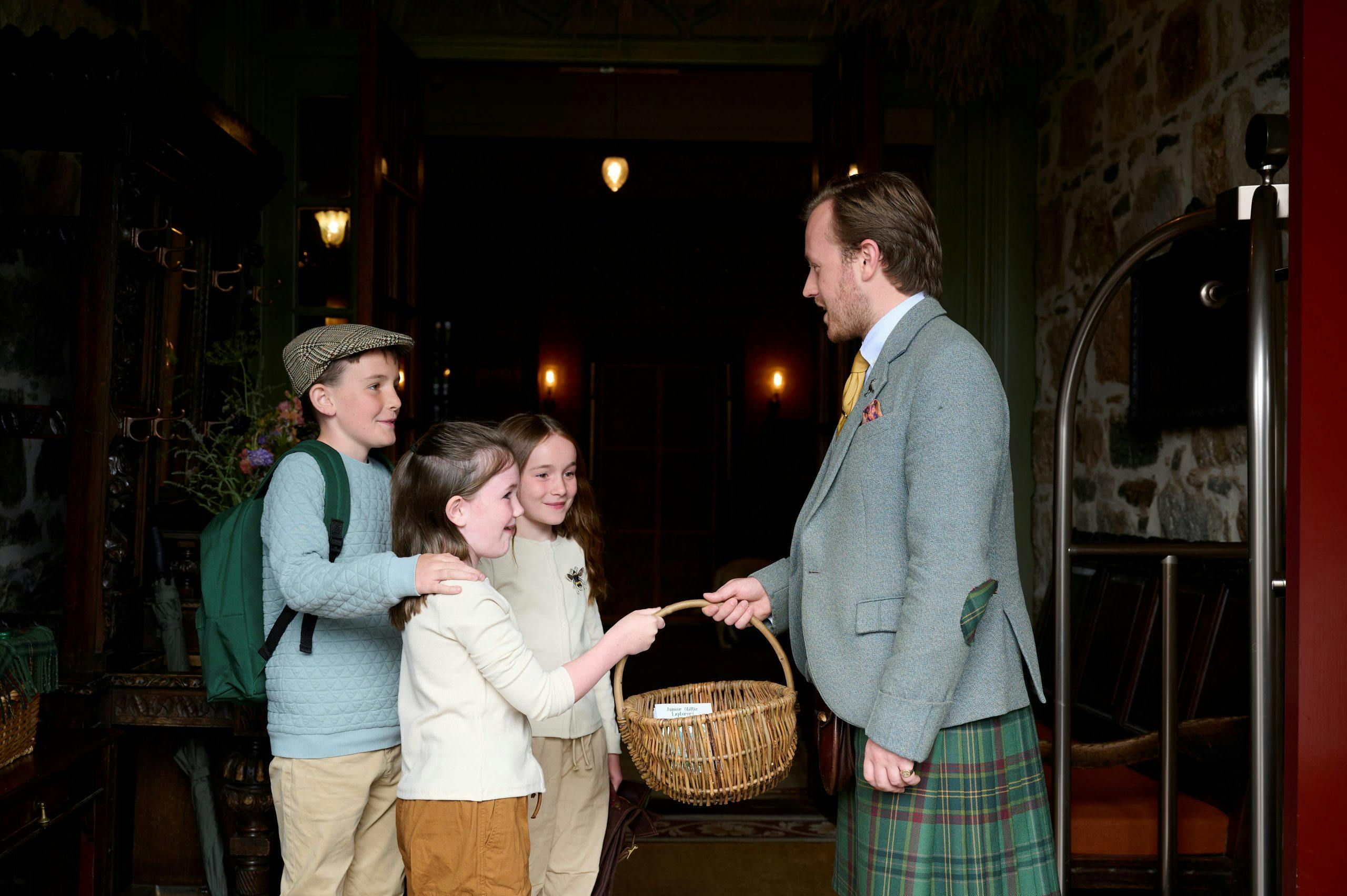
I have not brought anyone to tears myself, although it has been known to happen. It is hard to choose a single moment, as we often see a look of awe in the faces beside us. Close encounters with wildlife are always a treat, especially for younger guests, although it can be difficult to convey how rare they are. Some of my best days on the hill have been spent in companionable silence, letting the other senses take over. And bringing someone to a remote proposal location is not too bad either.
The Fife Arms puts real emphasis on local stories and community heritage. What local traditions or tales do you find yourself sharing most often with guests?
There are many, but a favourite of the team is the Headless Man of Ben Avon, a true unsolved mystery that has endured for decades. I will leave readers to explore the theories themselves. More broadly, Jacobite stories are plentiful, as are tales relating to the Royal connection. This area was once far more widely populated, and it is important to highlight the resilience and ingenuity of those isolated communities who navigated hardship and a mercurial climate.
What do you think makes this part of Scotland so unique for those experiencing it for the first time? What are the top 3 things you think are a must-do when visiting you for the first time?
- A swim in the river, whether a brisk, revitalising dip in the cold or something more refreshing in the summer.
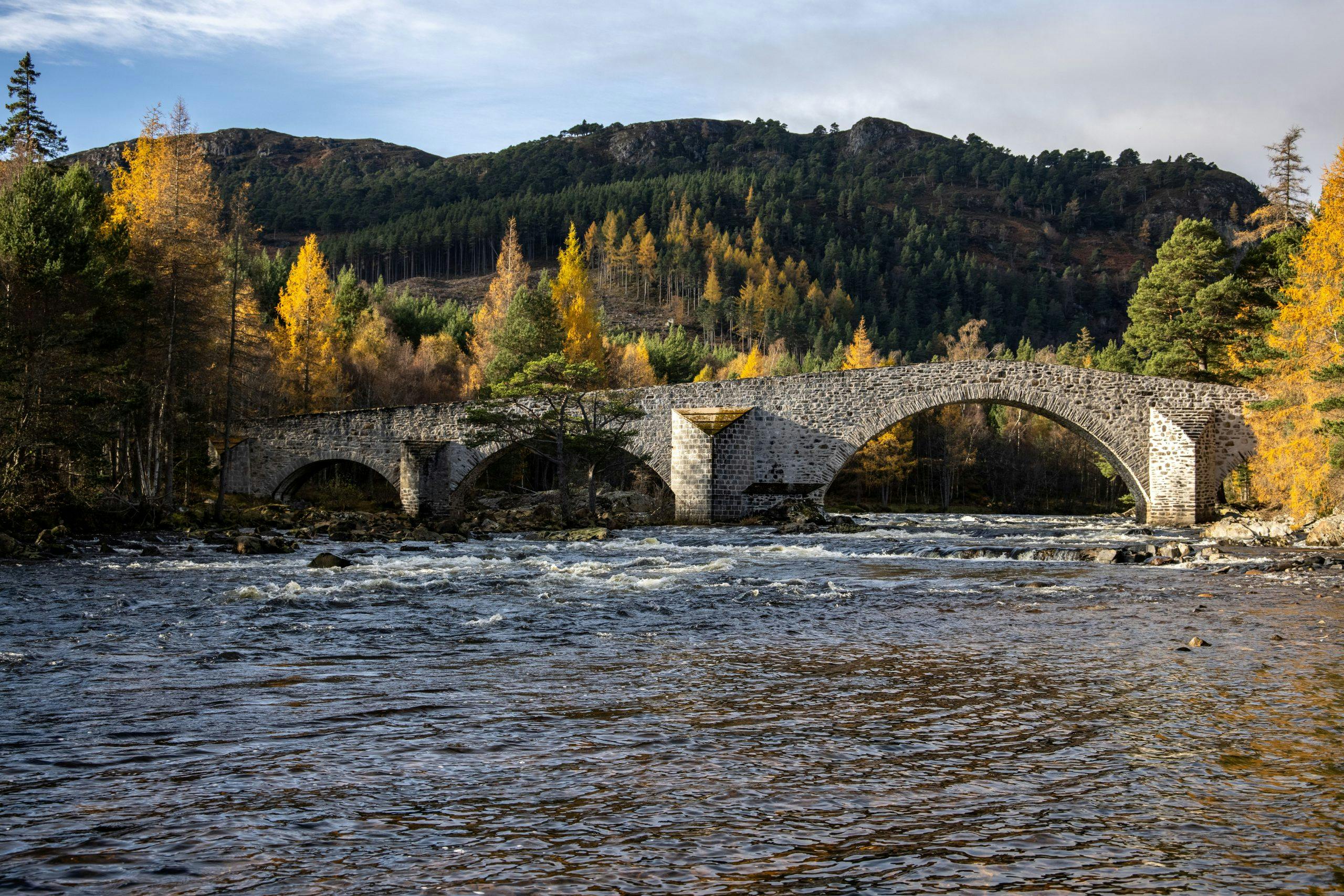
- An elevated walk or drive to take in the surrounding ancient hills.
- An activity that brings local stories to life, whether historical or contemporary. So few truly wild places remain, and only through understanding them can they endure.
Related Content
More Stories
PoB Spotlight
A Very British New Year: From Country House Charm to Sparkling City Soirées
12 December 2025
This New Year’s Eve step inside Britain’s finest hotels for a luxury winter escape UK where celebration and tradition meet in perfect harmony.
PoB Spotlight
Horns, Horses and Harbour Dips: Britain’s Quirkiest Festive Celebrations
5 December 2025
Discover Britain’s quirkiest festive celebrations in a joyful journey through centuries-old traditions, wild winter fun and the magic that keeps the season alive long after Christmas Day.
PoB Spotlight
A Season of Style: How Hotels Turn Festivity into an Art Form
28 November 2025
Explore festive hotel inspiration from Britain’s most beautiful stays – timeless ideas for creating warmth, style and sparkle at home.