Now & Then
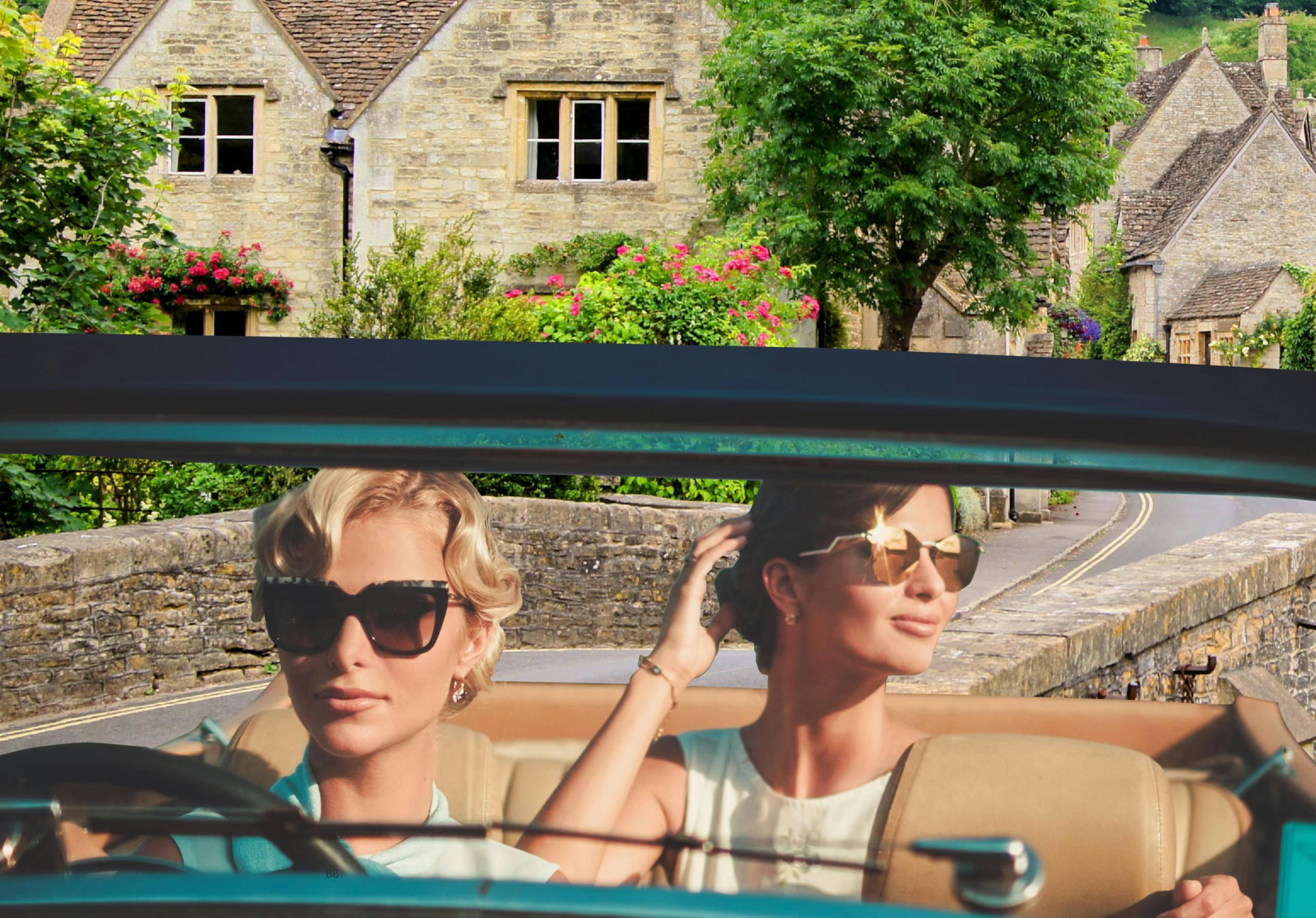
Embrace a historical journey uniquely tailored to you
Let your next journey be shaped by stories, old and new.
Timeless spaces, modern touches. Each hotel tells its own story — full of small surprises, quiet corners and details that reward a second look. These are places to linger, explore, and return to. Consider this the sequel: familiar yet full of new discoveries, because the best stories deserve to be experienced more than once.
The Handle 2026
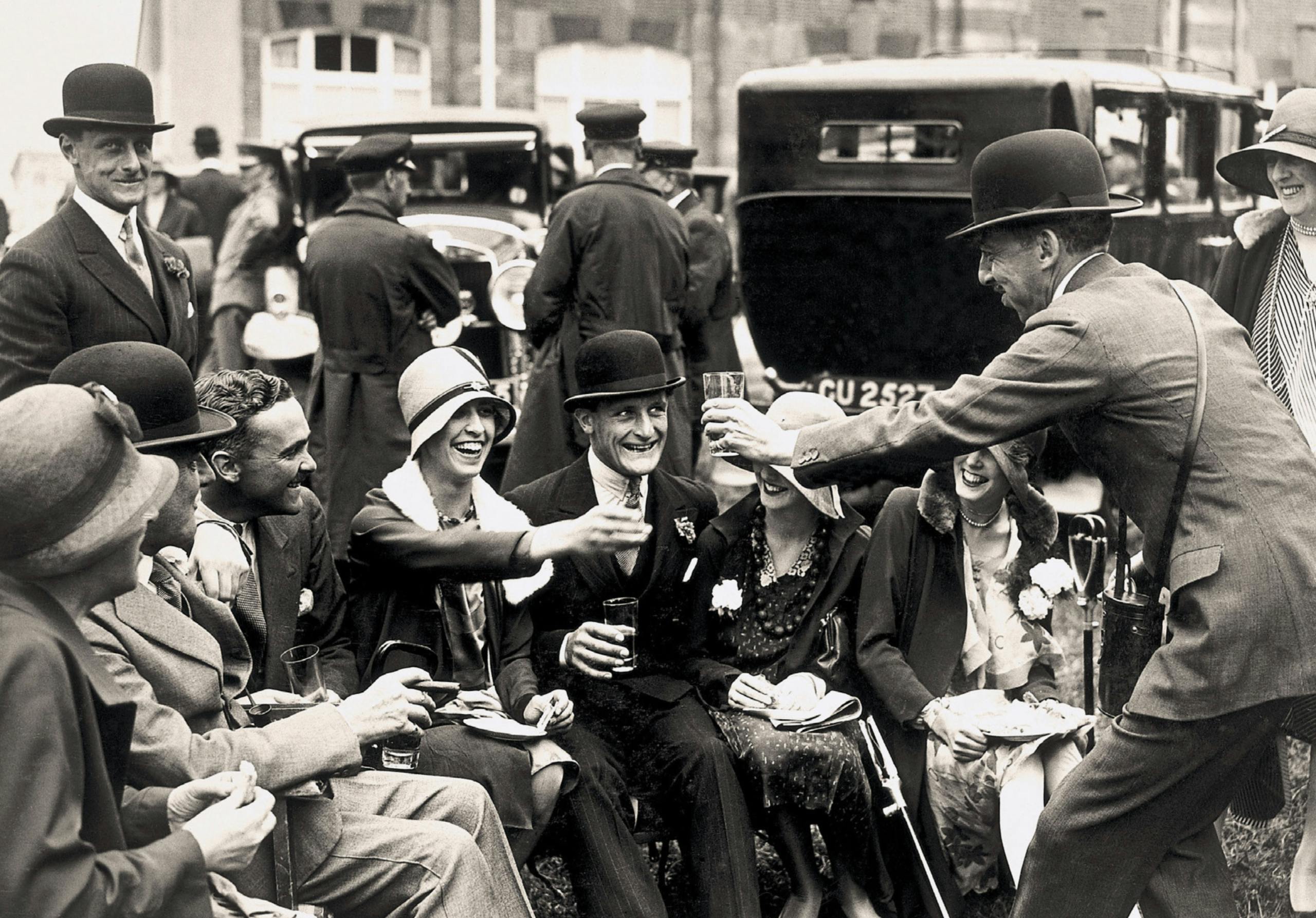
Order your complimentary copy of The Handle 2026 and take a properly British journey through time. Across our hotels, every property has a tale to tell, where local legends, characterful architecture and a dash of grandeur meet the finest modern comforts. Think past and present, perfectly paired (rather like Champagne and canapés).
The Handle is your guide to the British calendar, brands and traditions that celebrate heritage with a contemporary twist, timeless, distinctive, and absolutely worth making a song and dance about.
-
Whatever your style, wellness escape, or foodie favourite - find your perfect break, carefully curated by our PoB Hotels ambassadors. Take it slow, linger a little longer, and soak up the local colour by choosing a ready-curated escape, or let us help you craft a bespoke adventure that’s utterly yours.
Experience the perfect balance of heritage and modern luxury across our hotels
Our properties are more than places to rest your head, they are living witnesses to British history. From exiled kings to scandalous societies, the walls have seen it all, and if they could speak, turndown might reveal a very different past. Travel through the years with us and experience the remarkable events and hidden moments that await when you stay.
Meet the Makers
Across the year, we’re proud to partner with British brands whose legacies are rooted in heritage, craftsmanship and purposeful progress. We're bringing their worlds to life through our Meet the Makers events at PoB Hotels, giving guests rare behind-the-scenes access to the artistry and enduring traditions that shape them today.
Wild Idol at The Capital Hotel
22nd May 2026
Sparkling wine has a long and storied history. Wild Idol set out to write the next chapter, alcohol-free, and utterly exceptional. Hand-crafted by expert winemakers from a superior blend of grapes, and on 22nd May, CEO Paul Beavis brings the full story to The Capital, paired alongside a glorious lunch menu from acclaimed Chef Tom Brown.
Ettinger at Gravetye Manor
8th September 2026
Nearly a century of British leather craftsmanship, still family-owned, still made by hand, and with nearly ninety years of stories to tell. From royal households to embassies, Ettinger have spent decades quietly perfecting the art of the leather good, building products designed to outlast everything else in your wardrobe. This September, they bring that story to Gravetye Manor, and we have a feeling it's one worth listening to.
Lock & Co at Northcote
24th September 2026
Three centuries of craft, one hat at a time. From Nelson to Churchill, Chaplin to the King, Lock & Co. have been shaping British style since 1676, still on St James's Street, still making by hand, still turning heads. This autumn, they bring three centuries of remarkable craft to Northcote, for an evening of great food and even better stories.
Step into history & discover the stories that shape our hotels
3000 BCE
A Landscape Shaped by Time
Bishopstrow Hotel & Spa
Hidden within the grounds of Bishopstrow Hotel lie two ancient barrows—scheduled monuments believed to date back over 5,000 years. Part of Wiltshire’s vast prehistoric ritual landscape, these quiet earthworks predate the hotel itself, offering a rare and powerful reminder that Bishopstrow has long been a place of gathering, reflection, and retreat. Just a stone’s throw from Stonehenge, the hotel sits at the heart of one of Britain’s most storied and mysterious landscapes.
3,000 BCE
A Landscape Shaped by Time
Hidden within the grounds of Bishopstrow Hotel lie two ancient barrows, scheduled monuments believed to date back over 5,000 years. Part of Wiltshire’s vast prehistoric ritual landscape, these quiet earthworks predate the hotel itself, offering a rare and powerful reminder that Bishopstrow has long been a place of gathering, reflection, and retreat. Just a stone’s throw from Stonehenge, the hotel sits at the heart of one of Britain’s most storied and mysterious landscapes.
700
The Legend of the Fairy Flag
Ness Walk
Perched in the rugged Highlands, Dunvegan Castle has been the ancestral home of Clan MacLeod for centuries. Legend tells of a chief who fell in love with a fairy princess, who could only remain with him for a single year. During that time, they lived at Dunvegan, home to one of Scotland’s most mysterious relics—the Fairy Flag. Said to grant miraculous aid to the clan in times of grave danger, the flag has been used twice in recorded history, leaving just one chance remaining. Today, the Fairy Flag endures within the ancient castle walls, a tangible link to the Highlands’ enchanting past, just as Ness Walk invites guests to experience the stories and spirit of Scotland.
700
The Legend of the Fairy Flag
Perched in the rugged Highlands, Dunvegan Castle has been the ancestral home of Clan MacLeod for centuries. Legend tells of a chief who fell in love with a fairy princess, who could only remain with him for a single year. During that time, they lived at Dunvegan, home to one of Scotland’s most mysterious relics, the Fairy Flag. Said to grant miraculous aid to the clan in times of grave danger, the flag has been used twice in recorded history, leaving just one chance remaining.
Today, the Fairy Flag endures within the ancient castle walls, a tangible link to the Highlands’ enchanting past, just as Ness Walk invites guests to experience the stories and spirit of Scotland.
1311
Secrets of the Tithe Barn
Calcot & Spa
Calcot’s story stretches back centuries, from Roman dwellings to its mention in the Domesday Book, anchored by the 14th-century Tithe Barn built by Cistercian monks. The estate has endured fires, rebuilds, and even a roof shipped all the way from Ohio, while archaeologists continue to marvel at its elegant ecclesiastical window, hidden tunnels, and medieval rabbit warren. Today, Calcot & Spa offers a luxurious retreat steeped in this extraordinary history.
1311
Secrets of the Tithe Barn
Calcot’s story stretches back centuries, from Roman dwellings to its mention in the Domesday Book, anchored by the 14th-century Tithe Barn built by Cistercian monks. The estate has endured fires, rebuilds, and even a roof shipped all the way from Ohio, while archaeologists continue to marvel at its elegant ecclesiastical window, hidden tunnels, and medieval rabbit warren. Today, Calcot & Spa offers a luxurious retreat steeped in this extraordinary history.
1386
Donnington Castle's Legacy
The Vineyard Hotel & Spa
Overlooking the surrounding countryside, The Vineyard Hotel sits amid centuries of rich history. Local landmark Donnington Castle is just one example of the storied past that shapes the region, offering guests a glimpse into England’s medieval heritage while they enjoy modern luxury and the hotel’s celebrated wines.
1386
Donnington Castle's Legacy
Overlooking the surrounding countryside, The Vineyard Hotel sits amid centuries of rich history. Local landmark Donnington Castle is just one example of the storied past that shapes the region, offering guests a glimpse into England’s medieval heritage while they enjoy modern luxury and the hotel’s celebrated wines.
1410
Mysteries of Cadair Idris
Penmaenuchaf Hotel
Overlooking the dramatic Welsh mountains, Penmaenuchaf Hotel sits in a landscape steeped in legend. Local lore claims that anyone brave enough to spend a night atop Cadair Idris will either awaken a poet, lose their mind entirely, or vanish without a trace—an enduring reminder of the wild, untamed beauty that surrounds the hotel.
1410
Mysteries of Cadair Idris
Overlooking the dramatic Welsh mountains, Penmaenuchaf Hotel sits in a landscape steeped in legend. Local lore claims that anyone brave enough to spend a night atop Cadair Idris will either awaken a poet, lose their mind entirely, or vanish without a trace—an enduring reminder of the wild, untamed beauty that surrounds the hotel.
1485
From Farmhouse to Grandeur
Ellenborough Park Hotel & Spa
Ellenborough Park’s story began in 1485, when a tenant farmer set out to build his home, laying the foundations for what is now the hotel’s iconic Great Hall. Centuries later, that vision endures at the heart of Ellenborough Park, where history and modern luxury meet in perfect harmony.
1485
From Farmhouse to Grandeur
Ellenborough Park’s story began in 1485, when a tenant farmer set out to build his home, laying the foundations for what is now the hotel’s iconic Great Hall. Centuries later, that vision endures at the heart of Ellenborough Park, where history and modern luxury meet in perfect harmony.
1587
Boringdon Welcomes Sir Francis Drake
Boringdon Hall
With a history stretching back to the Domesday Book, Boringdon Hall has long been at the centre of Devonshire’s storied past. Among its most celebrated moments is a grand banquet held in honour of Sir Francis Drake, a vivid reminder of the hall’s enduring role as a stage for history, hospitality, and remarkable tales.
1587
Boringdon Hall Welcomes Sir Francis Drake
With a history stretching back to the Domesday Book, Boringdon Hall has long been at the centre of Devonshire’s storied past. Among its most celebrated moments is a grand banquet held in honour of Sir Francis Drake, a vivid reminder of the hall’s enduring role as a stage for history, hospitality, and remarkable tales.
1632
Relais Henley Hosts King Charles I
Relais Henley
With high-beamed ceilings, original antiques, and rich architectural detail, each room at Relais Henley is a characterful tribute to the building’s legacy. Among them, Room 108 is believed to have hosted King Charles I during his visit in 1632, where the Royal Coat of Arms still hangs above the fireplace—a striking reminder of the building's royal connections and enduring history.
1632
Relais Henley Hosts King Charles I
With high-beamed ceilings, original antiques, and rich architectural detail, each room at Relais Henley is a characterful tribute to the building’s legacy. Among them, Room 108 is believed to have hosted King Charles I during his visit in 1632, where the Royal Coat of Arms still hangs above the fireplace, a striking reminder of the buildings royal connections and enduring history.
1685
Family Legacy Since the 17th Century
Ockenden Manor
Since the 17th century, Ockenden Manor has been owned by just two families, the most recent of which has continued the tradition of naming the bedrooms after family members—ensuring that each stay feels deeply personal and connected to the manor’s enduring heritage.
1685
Family Legacy Since the 17th Century
Since the 17th century, Ockenden Manor has been owned by just two families, the most recent of which has continued the tradition of naming the bedrooms after family members, ensuring that each stay feels deeply personal and connected to the manor’s enduring heritage.
1687
Prestonfield Built for Sir James Dick
Prestonfield House
Built in 1687 for Sir James Dick, Lord Provost of Edinburgh, by the King’s architect Sir William Bruce, Prestonfield House reflects the baroque grandeur and classical elegance Bruce introduced during his work on the Palace of Holyroodhouse, now the official Scottish residence of King Charles III. Today, the house stands as a stunning testament to 17th-century design and Edinburgh’s rich architectural heritage.
1687
Prestonfield House Built for Sir James Dick
Built in 1687 for Sir James Dick, Lord Provost of Edinburgh, by the King’s architect Sir William Bruce, Prestonfield House reflects the baroque grandeur and classical elegance Bruce introduced during his work on the Palace of Holyroodhouse, now the official Scottish residence of King Charles III. Today, the house stands as a stunning testament to 17th-century design and Edinburgh’s rich architectural heritage.
1713
Lady Mary's Residence
Middlethorpe Hall and Spa
Lady Mary Wortley Montagu, one of the most extraordinary women of the 18th century—a writer, poet, and medical pioneer—rented Middlethorpe Hall from 1713 to 1714. In her diary, she described it as “a very pritty place… I think there is nothing to be done but to send an immediate note to Mr Harrison to let him know I will be at Middlethorpe with my family Tuesday next,” capturing her delight and the charm that still defines the hall today.
1713
Lady Mary Wortley Montagu's Residence
Lady Mary Wortley Montagu, one of the most extraordinary women of the 18th century, a writer, poet, and medical pioneer—rented Middlethorpe Hall from 1713 to 1714. In her diary, she described it as “a very pritty place… I think there is nothing to be done but to send an immediate note to Mr Harrison to let him know I will be at Middlethorpe with my family Tuesday next,” capturing her delight and the charm that still defines the hall today.
1775
The Crescent Hosts Royals
Royal Crescent Hotel & Spa
The iconic crescent was constructed in 1775 and later became home to George III’s second son, Frederick Augustus, Duke of York. In more recent times, it has welcomed modern legends such as Neil Armstrong, blending centuries of history with moments of contemporary distinction.
1775
The Crescent Hosts Royals
The iconic crescent was constructed in 1775 and later became home to George III’s second son, Frederick Augustus, Duke of York. In more recent times, it has welcomed modern legends such as Neil Armstrong, blending centuries of history with moments of contemporary distinction.
1809
King Louis XVIII's Exile
Hartwell House & Spa
From 1809 to 1814, King Louis XVIII of France lived in exile at Hartwell House, carefully plotting his return to the throne—an extraordinary chapter in the house’s rich and storied history.
1809
King Louis XVIII's Exile
From 1809 to 1814, King Louis XVIII of France lived in exile at Hartwell House, carefully plotting his return to the throne, an extraordinary chapter in the house’s rich and storied history.
1815
Seaham Hall Hosts Lord Byron
Seaham Hall
Infamous poet Lord Byron visited Seaham Hall in 1814 and later married Annabella Milbanke here on 2nd January 1815. The couple welcomed their daughter, Ada Lovelace, in December 1815, linking the hall to one of history’s most remarkable literary and scientific families.
1815
Seaham Hall Hosts Lord Byron
Infamous poet Lord Byron visited Seaham Hall in 1814 and later married Annabella Milbanke here on 2nd January 1815. The couple welcomed their daughter, Ada Lovelace, in December 1815, linking the hall to one of history’s most remarkable literary and scientific families.
1828
Mar Hall Built by Lord Blantyre
Mar Hall
Construction of Mar Hall, then known as Erskine House, began in 1828, commissioned by Major General Robert Walter Stuart, 11th Lord Blantyre, and designed by renowned architect Sir Robert Smirke, who also created the British Museum. Completed in 1845, the house stands today as one of Scotland’s finest examples of Gothic architecture.
1828
Mar Hall Built by Lord Blantyre
Construction of Mar Hall, then known as Erskine House, began in 1828, commissioned by Major General Robert Walter Stuart, 11th Lord Blantyre, and designed by renowned architect Sir Robert Smirke, who also created the British Museum. Completed in 1845, the house stands today as one of Scotland’s finest examples of Gothic architecture.
1828
Talbooth in Constable’s Canvas
Talbooth House & Spa
Talbooths Restaurant is immortalized in a famous John Constable painting of the Dedham Vale, capturing the timeless charm of its riverside setting and linking the restaurant to England’s celebrated artistic heritage.
1828
Talbooth in Constable’s Canvas
Talbooths Restaurant is immortalised in a famous John Constable painting of the Dedham Vale, capturing the timeless charm of its riverside setting and linking the restaurant to England’s celebrated artistic heritage.
1829
Farlam Hall Houses Stephenson’s Rocket
Farlam Hall Hotel & Restaurant
Farlam Hall holds a unique place in history as the temporary home of Stephenson’s Rocket, the locomotive that helped ignite the railway revolution and change the course of modern travel.
1829
Farlam Hall Houses Stephenson’s Rocket
Farlam Hall holds a unique place in history as the temporary home of Stephenson’s Rocket, the locomotive that helped ignite the railway revolution and change the course of modern travel.
1832
Matfen Hall’s Gothic Grandeur Endures
Matfen Hall
Completed in 1836, Matfen Hall featured a carved doorway crowned by the Blackett coat of arms and a Gothic-style entrance leading into the Great Hall. These striking details remain today, standing as prominent reminders of the hall’s enduring craftsmanship and architectural heritage.
1832
Matfen Hall’s Gothic Grandeur Endures
Completed in 1836, Matfen Hall featured a carved doorway crowned by the Blackett coat of arms and a Gothic-style entrance leading into the Great Hall. These striking details remain today, standing as prominent reminders of the hall’s enduring craftsmanship and architectural heritage.
1839
The Duchess Who Invented Afternoon Tea
Bedford Lodge Hotel & Spa
The property passed to the seventh Duke of Bedford in 1839, whose wife, Anna Maria, is widely credited with creating the British tradition of afternoon tea. Her simple afternoon ritual of tea, sandwiches, and cakes soon swept through high society, transforming a private indulgence into a cultural institution that endures today.
1839
The Duchess Who Invented Afternoon Tea
The property passed to the seventh Duke of Bedford in 1839, whose wife, Anna Maria, is widely credited with creating the British tradition of afternoon tea. Her simple afternoon ritual of tea, sandwiches, and cakes soon swept through high society, transforming a private indulgence into a cultural institution that endures today.
1850
Hope House Becomes The Athenaeum
The Athenaeum Hotel & Residences
116 Piccadilly began its life as Hope House, a magnificent private residence built for MP Henry Hope. Rich in elegance and whispered secrets, the building’s grand past still lingers at The Athenaeum today.
1850
Hope House Becomes The Athenaeum
116 Piccadilly began its life as Hope House, a magnificent private residence built for MP Henry Hope. Rich in elegance and whispered secrets, the building’s grand past still lingers at The Athenaeum today.
1871
Yorebridge House Begins as a Victorian School
Yorebridge House
Built in 1871 as a Headmaster’s residence and Grammar School, Yorebridge House served the rural communities of Bainbridge for over a century, standing as a symbol of education and aspiration in the Yorkshire Dales. Designed in classic Victorian style, its arched windows, original stonework, and high ceilings remain today—carefully restored to preserve the building’s character while embracing modern luxury.
1871
Yorebridge House Begins as a Victorian School
Built in 1871 as a Headmaster’s residence and Grammar School, Yorebridge House served the rural communities of Bainbridge for over a century, standing as a symbol of education and aspiration in the Yorkshire Dales. Designed in classic Victorian style, its arched windows, original stonework, and high ceilings remain today, carefully restored to preserve the building’s character while embracing modern luxury.
1874
The Grove Reimagined by John Pollard Seddon
Grove of Narberth
In 1874, this Jacobean home was transformed by John Pollard Seddon, a celebrated Neogothic architect commissioned by the Lewis family. His signature style is visible in the ornate fireplaces, sweeping staircase, and elegantly proportioned rooms, all of which contribute to The Grove’s distinctive charm and welcoming comfort.
1874
The Grove Reimagined by John Pollard Seddon
In 1874, this Jacobean home was transformed by John Pollard Seddon, a celebrated Neogothic architect commissioned by the Lewis family. His signature style is visible in the ornate fireplaces, sweeping staircase, and elegantly proportioned rooms, all of which contribute to The Grove’s distinctive charm and welcoming comfort.
1874
Queen Victoria’s Sketches at The Fife Arms
The Fife Arms
A standout in the hotel’s extensive art collection is a remarkable pencil and watercolour sketch in the Lobby, created by Queen Victoria in 1874. It depicts a stag’s head taken by her Ghillie, John Brown, offering guests a rare and personal glimpse into royal life and the hotel’s rich heritage.
1874
Queen Victoria’s Sketches at The Fife Arms
A standout in the hotel’s extensive art collection is a remarkable pencil and watercolour sketch in the Lobby, created by Queen Victoria in 1874. It depicts a stag’s head taken by her Ghillie, John Brown, offering guests a rare and personal glimpse into royal life and the hotel’s rich heritage.
1886
From Watchtower to Country House
Bodysgallen Hall and Spa
Starting as a 13th-century watchtower for Conwy Castle, Bodysgallen Hall gradually evolved from a modest dwelling into a spacious and comfortable country house. In the 19th century, it was brought to new life by its devoted chatelaine, Lady Henrietta Augusta Mostyn (1830–1912), and the renowned architect John Douglas of Chester, whose vision shaped much of the hall’s enduring character.
1886
From Watchtower to Country House
Starting as a 13th-century watchtower for Conwy Castle, Bodysgallen Hall gradually evolved from a modest dwelling into a spacious and comfortable country house. In the 19th century, it was brought to new life by its devoted chatelaine, Lady Henrietta Augusta Mostyn (1830–1912), and the renowned architect John Douglas of Chester, whose vision shaped much of the hall’s enduring character.
1888
Centuries of Hospitality
Montagu Arms
Although an inn has stood on the site since 1607, the current Arts and Crafts–style building was completed in the late 1800s, blending historical legacy with the charm and craftsmanship of its period.
1888
Centuries of Hospitality
Although an inn has stood on the site since 1607, the current Arts and Crafts, style building was completed in the late 1800s, blending historical legacy with the charm and craftsmanship of its period.
1889
Queen Victoria Visits Palé Hall
Pale Hall
Palé Hall has long welcomed distinguished guests. In August 1889, Queen Victoria visited with Princess Beatrice and her attendant, Abdul Karim. The Robertsons granted the royal party exclusive use of the house, presenting the Queen with a walking stick made from local timber. She also planted a Turkey Oak on the grounds—a living reminder of her visit that endures to this day.
1889
Queen Victoria Visits Palé Hall
Palé Hall has long welcomed distinguished guests. In August 1889, Queen Victoria visited with Princess Beatrice and her attendant, Abdul Karim. The Robertsons granted the royal party exclusive use of the house, presenting the Queen with a walking stick made from local timber. She also planted a Turkey Oak on the grounds, a living reminder of her visit that endures to this day.
1890
Kilworth House Built for High Sheriff John Entwistle
Kilworth House Hotel and Theatre
In 1888, at just 32, John Bertie Norreys Entwistle became High Sheriff of Leicestershire. With that title came the vision of a home worthy of his stature. He commissioned architect A.E. Purdie to create Kilworth House, which, completed in 1890 after three years and £39,000, stood as a grand Victorian residence designed for comfort, society, and status.
1890
Kilworth House Built for High Sheriff John Entwistle
In 1888, at just 32, John Bertie Norreys Entwistle became High Sheriff of Leicestershire. With that title came a vision for a home worthy of his stature. He commissioned architect A.E. Purdie to create Kilworth House, completed in 1890 after three years of construction and an investment of £39,000, a grand Victorian residence designed for comfort, society, and status.
1890
The Smith Family Manor House
Bovey Castle Hotel & Spa
In 1890, William Henry Smith, founder of WH Smith, purchased 5,000 acres of land from the Earl of Devon for £103,000, including ancient manors, farms, woodlands, and fishing rights along the Bovey and Teign rivers. It was his son, Frederick, who commissioned the Manor House—a lavish neo-Elizabethan residence—one of the family’s many distinguished country retreats.
1890
The Smith Family Manor House
In 1890, William Henry Smith, founder of WH Smith, purchased 5,000 acres of land from the Earl of Devon for £103,000, including ancient manors, farms, woodlands, and fishing rights along the Bovey and Teign rivers. It was his son, Frederick, who commissioned the Manor House, a lavish neo-Elizabethan residence, one of the family’s many distinguished country retreats.
1896
The Grose Family Legacy at Thurlestone Hotel
Thurlestone Hotel & Spa
One of the UK’s oldest family-run hotels, Thurlestone began when the Grose family transformed their farmhouse into a welcoming retreat. Over 130 years later, their dedication endures, continuing to shape the hotel’s charm, character, and warm hospitality.
1896
The Grose Family Legacy at Thurlestone Hotel
One of the UK’s oldest family-run hotels, Thurlestone began when the Grose family transformed their farmhouse into a welcoming retreat. Over 130 years later, their dedication endures, continuing to shape the hotel’s charm, character, and warm hospitality.
1897
The Headland Hotel’s Tumultuous Beginnings
The Headland Hotel and Spa
Back in 1897, when plans for The Headland Hotel were first announced, it wasn’t all cream teas and spa sessions. From the laying of the first bricks, heated disputes with local fishermen flared, and workers faced constant threats. One fateful night, an angry mob trashed the foundation walls and scaffolding, even tipping the foreman’s hut into the Atlantic—a dramatic start to what would become a beloved coastal landmark.
1897
The Headland Hotel’s Tumultuous Beginnings
Back in 1897, when plans for The Headland Hotel were first announced, it wasn’t all cream teas and spa sessions. From the laying of the first bricks, heated disputes with local fishermen flared, and workers faced constant threats. One fateful night, an angry mob trashed the foundation walls and scaffolding, even tipping the foreman’s hut into the Atlantic, a dramatic start to what would become a beloved coastal landmark.
1897
Prospect House Becomes The Painswick
The Painswick
The building was originally raised in the late 18th century as Prospect House. In 1897, Reverend William Henry Seddon transformed it into the village vicarage, commissioning Arts & Crafts architect Detmar Blow in 1902 to create the charming and characterful home that endures today as The Painswick.
1897
Prospect House Becomes The Painswick
The building was originally raised in the late 18th century as Prospect House. In 1897, Reverend William Henry Seddon transformed it into the village vicarage, commissioning Arts & Crafts architect Detmar Blow in 1902 to create the charming and characterful home that endures today as The Painswick.
1898
Gravetye Manor’s Victorian Kitchen Garden
Gravetye Manor
The kitchen garden at Gravetye Manor stands as one of the most remarkable surviving examples of Victorian horticultural innovation. Built in the late 19th century by pioneering gardener and writer William Robinson—best known for championing the wild garden—it reflects his belief in combining practicality with beauty, creating productive gardens that delight both the eye and the palate.
1898
Gravetye Manor’s Victorian Kitchen Garden
The kitchen garden at Gravetye Manor stands as one of the most remarkable surviving examples of Victorian horticultural innovation. Built in the late 19th century by pioneering gardener and writer William Robinson, best known for championing the wild garden, it reflects his belief in combining practicality with beauty, creating productive gardens that delight both the eye and the palate.
1901
Sopwell House Hosts Royal Connections
Sopwell House Hotel & Spa
In 1901, Admiral of the Fleet Prince Louis of Battenberg leased Sopwell House as his family’s country home. His son, Louis—later Lord Mountbatten of Burma—became the last Governor of India, while his daughter Alice married Prince Andrew of Greece and became the mother of Prince Philip, Duke of Edinburgh. It is believed that Prince Andrew proposed to Alice in the gardens of Sopwell House, adding a romantic royal chapter to the estate’s history.
1901
Sopwell House Hosts Royal Connections
In 1901, Admiral of the Fleet Prince Louis of Battenberg leased Sopwell House as his family’s country home. His son, Louis, later Lord Mountbatten of Burma, became the last Governor of India, while his daughter Alice married Prince Andrew of Greece and became the mother of Prince Philip, Duke of Edinburgh. It is believed that Prince Andrew proposed to Alice in the gardens of Sopwell House, adding a romantic royal chapter to the estate’s history.
1908
Cromlix Reimagined
Cromlix
Cromlix was reimagined in 2023 with a major refurbishment inside and out, inspired by its heyday as a bustling Victorian country house built in 1880 by the Hay-Drummond family. During renovations, the Murrays discovered an 1880s Visitor’s Book, filled with hand-drawn sketches from guests who came to enjoy the Cromlix spring, country pursuits, and decadent house parties. Among its most notable visitors was King Edward VII in 1908, a royal connection that adds to the estate’s storied past.
1908
Cromlix Reimagined
Cromlix was reimagined in 2023 with a major refurbishment inside and out, inspired by its heyday as a bustling Victorian country house built in 1880 by the Hay-Drummond family. During renovations, Andy Murray and his family discovered an 1880s Visitor’s Book, filled with hand-drawn sketches from guests who came to enjoy the Cromlix spring, country pursuits, and decadent house parties. Among its most notable visitors was King Edward VII in 1908, a royal connection that adds to the estate’s storied past.
1912
Armathwaite Hall and Tennyson’s Inspiration
Armathwaite Hall Hotel and Spa
Armathwaite Hall Country House Hotel and Spa nestles on the shores of Bassenthwaite Lake, widely believed to have inspired Alfred, Lord Tennyson’s iconic scene in Morte d’Arthur, where Sir Bedivere casts Excalibur into the water and the Lady of the Lake catches it. While staying in the area, Tennyson drew inspiration from the lake and the nearby St Bega’s Church, infusing the landscape with enduring literary magic.
1912
Armathwaite Hall and Tennyson’s Inspiration
Armathwaite Hall Country House Hotel and Spa nestles on the shores of Bassenthwaite Lake, widely believed to have inspired Alfred, Lord Tennyson’s iconic scene in Morte d’Arthur, where Sir Bedivere casts Excalibur into the water and the Lady of the Lake catches it. While staying in the area, Tennyson drew inspiration from the lake and the nearby St Bega’s Church, infusing the landscape with enduring literary magic.
1920
Hambleton Hall’s Literary Legacy
Hambleton Hall
After inheriting the hall, Eva Astley Cooper transformed it into a vibrant literary salon between the wars, welcoming notable figures such as Noel Coward and making Hambleton Hall a hub of creativity, conversation, and culture.
1920
Hambleton Hall’s Literary Legacy
After inheriting the hall, Eva Astley Cooper transformed it into a vibrant literary salon between the wars, welcoming notable figures such as Noel Coward and making Hambleton Hall a hub of creativity, conversation, and culture.
1920
Whatley Manor’s Gardens: A Vision by Bertie Cox
Whatley Manor Hotel and Spa
This Cotswolds gem is set within 12 acres of gardens, first brought to life by Bertie Cox in the 1920s and meticulously restored to their original Arts and Crafts designs. Cox’s ambitious spirit endures in the 22 distinct garden rooms and a 200-year-old olive tree, creating a landscape of timeless beauty and character.
1920
Whatley Manor’s Gardens: A Vision by Bertie Cox
This Cotswolds gem is set within 12 acres of gardens, first brought to life by Bertie Cox in the 1920s and meticulously restored to their original Arts and Crafts designs. Cox’s ambitious spirit endures in the 22 distinct garden rooms and a 200-year-old olive tree, creating a landscape of timeless beauty and character.
1925
Grantley Hall Welcomes Queen Mary
Grantley Hall
When industrialist Sir William Aykroyd acquired Grantley Hall and its surrounding villages in 1925, he transformed the estate into a beacon of Yorkshire grandeur. Royal footsteps followed in 1937, when Queen Mary and the Princess Royal visited, enjoying tea in what is now Norton Bar and exploring the art-filled corridors and lush gardens of the hall.
1925
Grantley Hall Welcomes Queen Mary
When industrialist Sir William Aykroyd acquired Grantley Hall and its surrounding villages in 1925, he transformed the estate into a beacon of Yorkshire grandeur. Royal footsteps followed in 1937, when Queen Mary and the Princess Royal visited, enjoying tea in what is now 'Norton Bar' and exploring the art-filled corridors and lush gardens of the hall.
1927
Bailiffscourts' Medieval Materials, Modern Origins
Bailiffscourt Hotel and Spa
Although constructed from medieval materials, Bailiffscourt as we know it didn’t exist until 1927, blending historic elements with a distinctly 20th-century vision to create a striking country house with timeless charm.
1927
Bailiffscourts' Medieval Materials, Modern Origins
Although constructed from medieval materials, Bailiffscourt as we know it didn’t exist until 1927, blending historic elements with a distinctly 20th-century vision to create a striking country house with timeless charm.
1928
The Elms’ Rescued Stained-Glass Windows
The Elms
This hotel holds a fascinating tale of salvaged history. During a refurbishment, the maintenance manager rescued two beautiful stained-glass windows from a skip, later discovering they had come from a neighbouring manor. Today, these historic treasures are proudly displayed in the magnificent Abberley Suite, adding a touch of the past to the hotel’s elegant interiors.
1928
The Elms’ Rescued Stained-Glass Windows
This hotel holds a fascinating tale of salvaged history. During a refurbishment, the maintenance manager rescued two beautiful stained-glass windows from a skip, later discovering they had come from a neighbouring manor. Today, these historic treasures are proudly displayed in the magnificent Abberley Suite, adding a touch of the past to the hotel’s elegant interiors.
1936
Mallory Court Restored by Sir John Black
Mallory Court
This hotel’s history is closely tied to the ambition of Sir John Black, Managing Director of the Standard Motor Company. In 1936, he purchased Mallory Court and devoted considerable effort to restoring it, adding features such as oak-panelling in the dining rooms, blending elegance with the building’s enduring character.
1936
Mallory Court Restored by Sir John Black
This hotel’s history is closely tied to the ambition of Sir John Black, Managing Director of the Standard Motor Company. In 1936, he purchased Mallory Court and devoted considerable effort to restoring it, adding features such as oak-panelling in the dining rooms, blending elegance with the building’s enduring character.
1940
A Legacy of Family Hospitality
Park House Hotel & Spa
The story of Park House is one of enduring family hospitality. Founded by the O’Briens in the 1940s as a welcoming ‘home-from-home,’ the tradition continues today under the care of their grandson, Seamus, preserving warmth, charm, and personal touch across generations.
1940
A Legacy of Family Hospitality
The story of Park House is one of enduring family hospitality. Founded by the O’Briens in the 1940s as a welcoming ‘home-from-home,’ the tradition continues today under the care of their grandson, Seamus, preserving warmth, charm, and personal touch across generations.
1940
The Atlantic During Occupation
The Atlantic
Between 1940 and 1945, Jersey endured five years under enemy occupation, a period that left an indelible mark on the island’s landscape and its people, shaping its history and resilience in ways that are still remembered today.
1940
The Atlantic During Occupation
Between 1940 and 1945, Jersey endured five years under enemy occupation, a period that left an indelible mark on the island’s landscape and its people. This shaped the islands history and proved its resilience in ways that are still remembered today which you can explore while visiting The Atlantic Hotel.
1944
Winston Churchill's Secret Meeting Place
Glenapp Castlle
During WWII, Glenapp Castle was reputed to serve as a discreet and secure meeting place for notable figures, including Winston Churchill and General Eisenhower. Local lore suggests that top-secret discussions about the D-Day landings took place in the castle’s drawing rooms. Today, guests can wander those same corridors and imagine the strategic conversations that once shaped history.
1944
Winston Churchill's Secret Meeting Place
During WWII, Glenapp Castle was reputed to serve as a discreet and secure meeting place for notable figures, including Winston Churchill and General Eisenhower. Local lore suggests that top-secret discussions about the D-Day landings took place in the castle’s drawing rooms. Today, guests can wander those same corridors and imagine the strategic conversations that once shaped history.
1952
The Angel’s Tribute to Foxhunter
The Angel
The hotel’s Foxhunter Bar celebrates a remarkable sporting partnership. Named after the legendary Olympic showjumping horse, Foxhunter, it honours the animal that secured Britain’s only gold medal at the 1952 Helsinki Olympics, combining history, sport, and charm in one iconic space.
1952
The Angel’s Tribute to Foxhunter
The hotel’s Foxhunter Bar celebrates a remarkable sporting partnership. Named after the legendary Olympic showjumping horse, Foxhunter, it honours the animal that secured Britain’s only gold medal at the 1952 Helsinki Olympics, combining history, sport, and charm in one iconic space.
1953
Homewood and The Titfield Thunderbolt
Homewood Hotel & Spa
The charming village of Freshford and its picturesque surroundings starred in the classic 1953 Ealing comedy The Titfield Thunderbolt. Many local residents appeared as extras, lending an authentic community spirit to the film. Its legacy endures at Homewood Hotel today: the Mallingford Mews are named after the destination town, while the private dining space, Tibby’s House, pays tribute to the GWR 1400 Class locomotive affectionately known as ‘Tibby’ that featured in the movie.
1953
Homewood and The Titfield Thunderbolt
The charming village of Freshford and its picturesque surroundings starred in the classic 1953 Ealing comedy The Titfield Thunderbolt. Many local residents appeared as extras, lending an authentic community spirit to the film. Its legacy endures at Homewood Hotel today: the Mallingford Mews are named after the destination town, while the private dining space, Tibby’s House, pays tribute to the GWR 1400 Class locomotive affectionately known as ‘Tibby’ that featured in the movie.
1961
Dr Harilela’s Vision of Hospitality
The Hari
Dr Harilela’s journey into hospitality began modestly in Hong Kong, where he opened his first tailor shop before expanding into hotels, always guided by a profound belief in warm, intuitive service. His son, Dr. Aron Harilela, now chair of Harilela Hotels, fondly recalls childhood summers walking through hotel corridors, watching his father greet every staff member by name. “He treated every employee like family,” Aron says. “He believed hospitality started from within.”
1961
Dr Harilela’s Vision of Hospitality
Dr Harilela’s journey into hospitality began modestly in Hong Kong, where he opened his first tailor shop before expanding into hotels, always guided by a profound belief in warm, intuitive service. His son, Dr. Aron Harilela, now chair of Harilela Hotels, fondly recalls childhood summers walking through hotel corridors, watching his father greet every staff member by name. “He treated every employee like family,” Aron says. “He believed hospitality started from within.”
1963
A Ship of the Scottish Seas
Fingal
Fingal Hotel began life as a Northern Lighthouse Board tender, a ship built in 1963 to navigate Scotland’s treacherous seas, delivering supplies and engineers to the lighthouses that safeguarded mariners. The vessel served faithfully for nearly four decades before retiring in 2000, later finding a remarkable new life as a unique hotel experience.
1963
A Ship of the Scottish Seas
Fingal Hotel began life as a Northern Lighthouse Board tender, a ship built in 1963 to navigate Scotland’s treacherous seas, delivering supplies and engineers to the lighthouses that safeguarded mariners. The vessel served faithfully for nearly four decades before retiring in 2000, later finding a remarkable new life as a unique hotel experience.
1964
Northcote on the Edge of the Bowland
Northcote
Northcote sits gracefully on the edge of the Forest of Bowland Area of Outstanding Natural Beauty, offering guests a serene retreat framed by rolling hills, ancient woodlands, and the timeless charm of England’s countryside.
1964
Northcote on the Edge of the Bowland
Northcote sits gracefully on the edge of the Forest of Bowland Area of Outstanding Natural Beauty, offering guests a serene retreat framed by rolling hills, ancient woodlands, and the timeless charm of England’s countryside.
1971
London’s First Boutique Hotel
The Capital Hotel
First opened on May 11th, 1971, The Capital is often described as a grand hotel in miniature and remains one of London’s best-kept secrets. Built in just two years from architect’s drawing to completion, it proudly claims the distinction of being the city’s very first boutique hotel.
1971
London’s First Boutique Hotel
First opened on May 11th, 1971, The Capital is often described as a grand hotel in miniature and remains one of London’s best-kept secrets. Built in just two years from architect’s drawing to completion, it proudly claims the distinction of being the city’s very first boutique hotel.
1976
A Monastery Reborn
The Priory Hotel
Run by three generations of the same family since the 1970s, this former monastery has been lovingly restored—preserved, not reinvented. Guests can still sense its historic past in the stone walls, cloistered spaces, and tranquil gardens, where centuries of monastic life once unfolded, now harmoniously blending with modern comfort and hospitality.
1976
A Monastery Reborn
Run by three generations of the same family since the 1970s, this former monastery has been lovingly restored, preserved, not reinvented. Guests can still sense its historic past in the stone walls, cloistered spaces, and tranquil gardens, where centuries of monastic life once unfolded, now harmoniously blending with modern comfort and hospitality.
1984
Dolly Parton Visits
The Swan at Lavenham
For a 15th-century property, The Swan at Lavenham has welcomed guests from across the globe. In 1984, it hosted none other than the Queen of Country, Dolly Parton. A copy of her telegram, given to the hotel for its Wall of History, reads: “Thank you for one of the best times of my whole life (and I have an exciting life so you must know how much it meant to me).” This memorable visit remains a cherished part of the hotel’s story.
1984
Dolly Parton Visits
For a 15th-century property, The Swan at Lavenham has welcomed guests from across the globe. In 1984, it hosted none other than the Queen of Country, Dolly Parton. A copy of her telegram, given to the hotel for its Wall of History, reads: “Thank you for one of the best times of my whole life (and I have an exciting life so you must know how much it meant to me).” This memorable visit remains a cherished part of the hotel’s story.
1988
Three Generations Shaping The Nare
The Nare
A testament to the enduring vision of a single family for over three decades, The Nare was reimagined in 1988 by Bettye Gray. Her grandson, Toby Ashworth, has since continued the legacy, ensuring the hotel retains its warmth, charm, and distinctive character across generations.
1988
Three Generations Shaping The Nare
A testament to the enduring vision of a single family for over three decades, The Nare was reimagined in 1988 by Bettye Gray. Her grandson, Toby Ashworth, has since continued the legacy, ensuring the hotel retains its warmth, charm, and distinctive character across generations.
1988
The Cunliffe Family Revives Gilpin Hotel
Gilpin Hotel & Lake House
Run by the Cunliffe family since 1988, Gilpin Hotel is a story of enduring passion. Originally the home of John Cunliffe’s grandmother, the family bought it back and transformed it, blending personal history with timeless hospitality and care.
1988
The Cunliffe Family Revives Gilpin Hotel
Run by the Cunliffe family since 1988, Gilpin Hotel is a story of enduring passion. Originally the home of John Cunliffe’s grandmother, the family bought it back and transformed it, blending personal history with timeless hospitality and care.
1990
Heritage in the Rose-Bristow Family
The Torridon
The Torridon stands as a testament to honouring heritage while embracing innovation. Owned by the Rose-Bristow family for 35 years, the hotel was originally purchased in the early 1990s by Rohaise’s parents, David and Geraldine. Today, Dan and Rohaise continue the family tradition, managing the business for the past 20 years and ensuring the hotel thrives with care, vision, and warmth.
1990
Heritage in the Rose-Bristow Family
The Torridon stands as a testament to honouring heritage while embracing innovation. Owned by the Rose-Bristow family for 35 years, the hotel was originally purchased in the early 1990s by Rohaise’s parents, David and Geraldine. Today, Rohasie and her husband, Dan continue the family tradition, managing the business for the past 20 years and ensuring the hotel thrives with care, vision, and warmth.
2006
A Royal Warrant by Queen Elizabeth II
Hebridean Princess
Hebridean Princess is the only cruise ship in the world to have been granted a Royal Warrant by the late Queen Elizabeth II, following two private family holidays spent on board, marking its unique place in royal and maritime history.
2006
A Royal Warrant by Queen Elizabeth II
The Hebridean Princess is the only cruise ship in the world to have been granted a Royal Warrant by the late Queen Elizabeth II, following two private family holidays spent on board, marking its unique place in royal and maritime history.